
Busy days can make water feel like an afterthought. Learning how to stay hydrated became easier once I stopped treating it like a strict rule and started making it part of normal routines. Good hydration supports energy, digestion, focus, temperature control, and muscle function. The goal is not endless water. It is to sip fluids, eat water-rich foods, and notice body cues.
Key Takeaways
- Drink small amounts consistently instead of waiting for thirst.
- Water-rich foods like watermelon, cucumbers, strawberries, celery, soups, and leafy greens support fluid intake.
- Electrolytes may help after heavy sweating, long exercise, vomiting, diarrhea, or heat.
- Pale yellow urine is usually good, while dark yellow can mean drink more.
- Caffeine, alcohol, sugary drinks, heat, illness, and intense workouts can change fluid needs.
Why Proper Hydration is Important For You?
Understanding how to stay hydrated matters because water supports major body processes, from moving nutrients to helping your body cool itself.
Fluids Keep You Functioning
Your body uses fluids to carry nutrients, remove waste, cushion joints, support blood flow, and regulate temperature. Even mild dehydration can leave you tired, dizzy, foggy, headachy, or less focused.
Hydration supports digestion by helping food move through the gut. It can make exercise feel easier, reduce cramps, and help your body handle warm weather.
Thirst Is Not Always Early
Thirst is helpful, but it may not show up until your body already needs fluids. Busy schedules, older age, travel, illness, and air-conditioned rooms can make thirst easy to miss.
Instead of waiting for a dry mouth, build fluid moments into your day. Sip before meetings, after bathroom breaks, with meals, and during commutes.
Build Consistent Drinking Habits
This is the real-life heart of how to stay hydrated: make drinking easier, more visible, and less dependent on motivation.
Sip Before You Are Thirsty
Steady sips usually work better than chugging a large bottle at once. Keep water nearby and drink throughout the day, especially before thirst becomes strong.
Try linking water to actions you already repeat. Sip after brushing your teeth, before email, after a walk, and each time you sit down for a meal.
Start And End Your Day
A glass of water in the morning helps replace normal overnight fluid loss. It also gives your body a refreshing start before coffee or breakfast.
Keep a glass or bottle on your nightstand if you wake thirsty. Avoid overdrinking before bed if bathroom trips disrupt sleep.
Use The Right Bottle
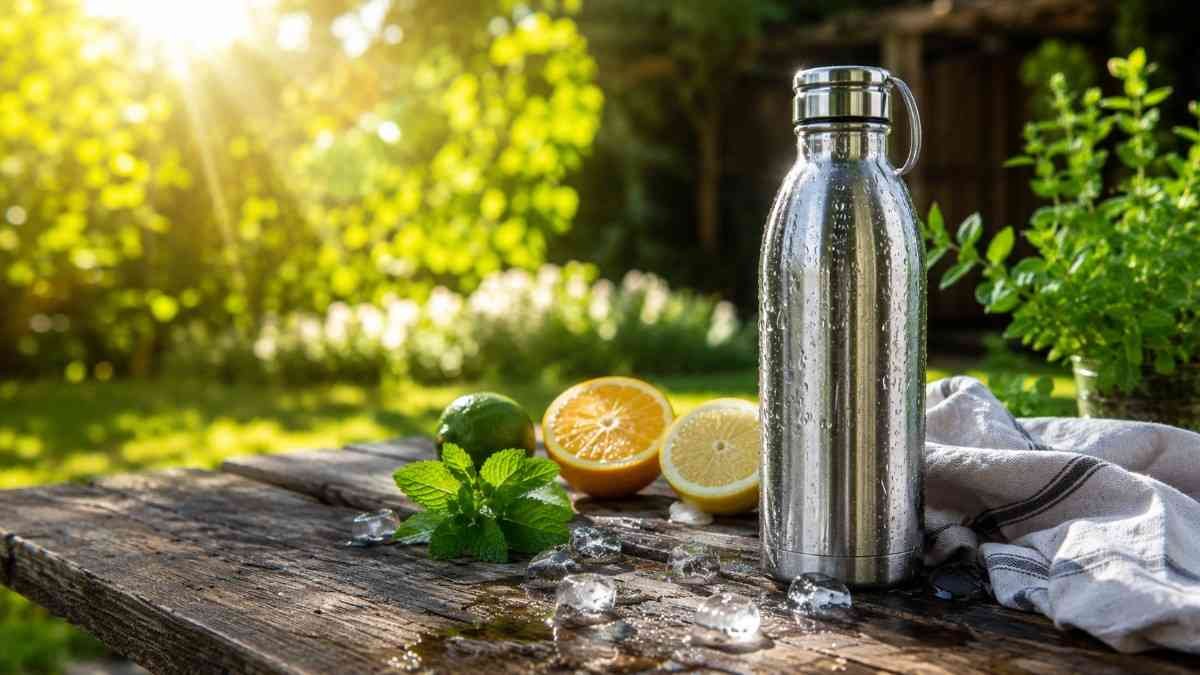
The best bottle is the one you actually use. Some people drink more with a straw lid, while others prefer a wide-mouth bottle, marked bottle, or lightweight cup.
Place it where your eyes naturally land. Your desk, car cup holder, gym bag, kitchen counter, or bedside table can become a hydration cue.
Eat Water-Based Foods
Food can quietly support fluid intake, and many hydrating foods also provide fiber, vitamins, minerals, and antioxidants.
Add Hydrating Fruits
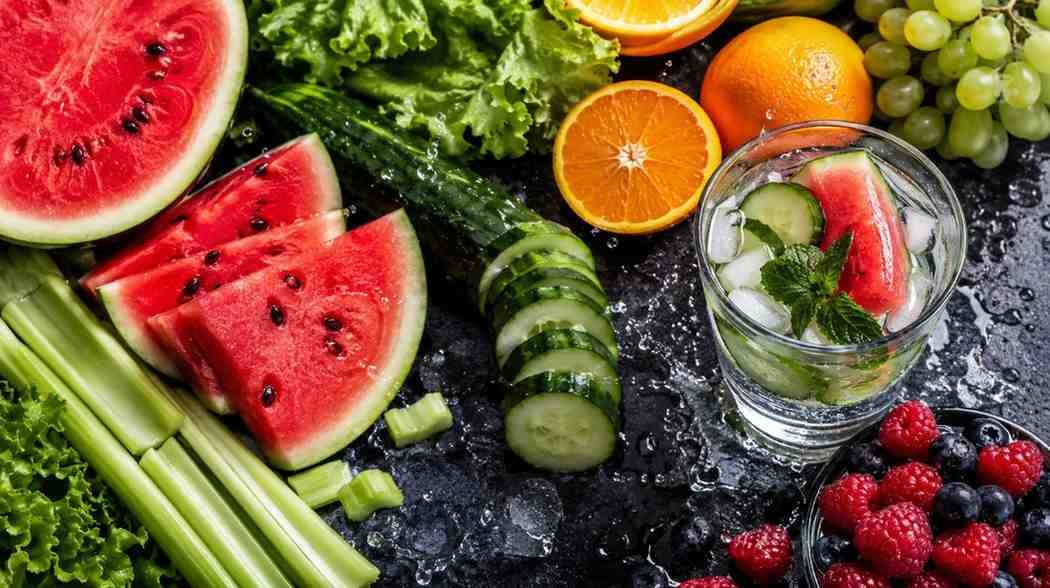
Watermelon, strawberries, cantaloupe, oranges, peaches, and grapefruit are easy ways to add fluid and flavor. They help when plain water sounds boring.
Enjoy fruit at breakfast, as a snack, or after exercise. Chilled melon or berries can feel refreshing and help replace fluids lost through heat.
Choose Crisp Vegetables
Cucumbers, celery, zucchini, lettuce, spinach, tomatoes, bell peppers, and cabbage contain a lot of water. They add crunch and volume without feeling heavy.
Add them to sandwiches, wraps, salads, smoothies, omelets, grain bowls, or snack plates. Pairing vegetables with protein or healthy fat makes snacks satisfying.
Enjoy Soups And Broths
Clear broths, vegetable soups, stews, and cold soups can add dietary fluid while making meals comforting. They are useful during colder months or low appetite.
Choose lower-sodium options when possible, especially if you manage blood pressure. Salt can help after heavy sweating, but high-sodium choices may not suit everyone.
Flavor And Alternative Fluids
Hydration should feel flexible. Water is excellent, but it is not the only fluid that can support your body.
Infuse Your Water
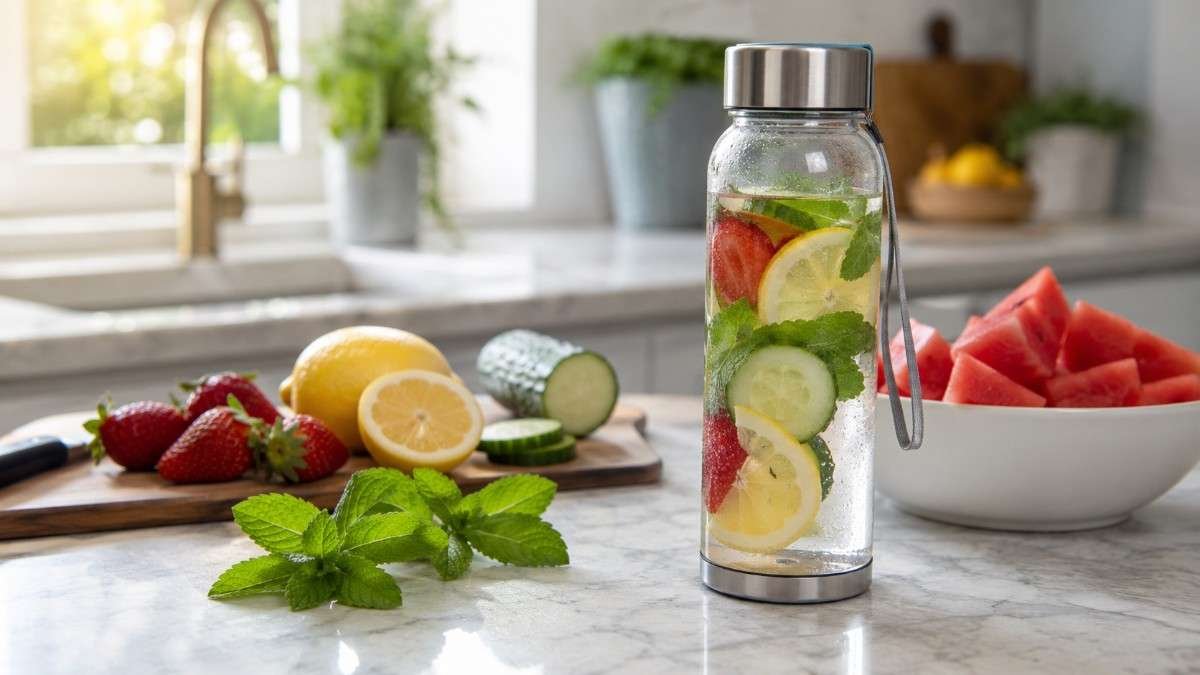
Adding lemon, lime, cucumber, berries, orange slices, ginger, or mint can make water more appealing without much sugar. This trick helps many people drink more.
Prepare a pitcher in the fridge or add flavor to your bottle. Sparkling water can also work if bubbles make sipping more enjoyable.
Try Herbal Tea And Milk
Caffeine-free herbal teas can be soothing and hydrating, hot or iced. Milk and fortified plant-based milks also provide fluid with calcium, vitamin D, or protein.
Unsweetened options are often the best everyday choice. Sweet drinks can fit occasionally, but relying on them may add more sugar and calories than you want.
Use Electrolytes Wisely
Electrolyte drinks can help replace sodium and potassium after intense exercise over an hour, heavy sweating, outdoor labor, vomiting, or diarrhea. They are not necessary every day.]
Choose products based on your situation. A low-sugar electrolyte drink, oral rehydration solution, or salty food with water may be useful when fluid losses are higher.
What To Moderate
Some drinks can fit into a balanced routine, but they may not be the best foundation for hydration.
Watch Caffeine And Alcohol
Coffee and tea can contribute fluid, but too much caffeine may cause jitters, sleep problems, or more bathroom trips. Enjoy them, but do not let them replace water.
Alcohol can increase fluid loss and impair judgment, making dehydration easier to miss. Alternate alcoholic drinks with water and eat balanced meals when drinking.
Limit Sugary Drinks
Soda, sweet tea, energy drinks, sports drinks, and large glasses of juice can add sugar quickly. They may quench thirst, but are not the smartest everyday choice.
Choose water, infused water, unsweetened tea, or milk more often. Save sugary drinks for occasional enjoyment rather than your main fluid source.
Monitor Your Hydration
A few simple checks can help you adjust before dehydration becomes uncomfortable.
Check Urine Color
A quick way to monitor hydration is urine color. Pale, straw-like yellow usually suggests you are hydrated, while darker yellow often means you may need more fluids.
This is not a perfect test. Vitamins, medications, foods, and health conditions can change urine color, so combine this clue with thirst, energy, sweating, and bathroom frequency.
Notice Body Signals
Dry mouth, headache, fatigue, dizziness, muscle cramps, low urination, and fast heartbeat can suggest dehydration. Confusion, fainting, inability to keep fluids down, or very little urine needs medical attention.
Children, older adults, and people who are ill may need closer attention. Offer fluids regularly and seek professional care if symptoms seem serious or worsen.
Frequently Asked Questions
1. What Is The Fastest Way To Hydrate Your Body?
Sip water steadily and add electrolytes if you lost fluids through sweat, vomiting, or diarrhea. Oral rehydration solutions can help. Seek care for severe symptoms.
2. What Are The 5 Main Symptoms Of Dehydration?
The five common symptoms are thirst, dark yellow urine, dry mouth, fatigue, and dizziness. Headache, cramps, reduced urination, rapid heartbeat, or confusion may also happen.
3. How Do You Stay 100% Hydrated?
You cannot measure perfect hydration exactly. Drink regularly, eat water-rich foods, check urine color, and adjust fluids for heat, exercise, illness, travel, and sweat.
4. What Hydrates Better Than Water?
For everyday needs, water works beautifully. After heavy sweating or stomach illness, electrolyte drinks or oral rehydration solutions may hydrate better because they replace minerals and fluid.
Final Sip: Keep It Easy
Knowing how to stay hydrated is less about chasing a perfect number and more about building habits your body can count on. Keep fluids visible, sip before thirst gets loud, eat hydrating produce, moderate alcohol and sugary drinks, and check urine color. With simple routines, hydration becomes a natural part of feeling energized, clear, and ready for the day.
