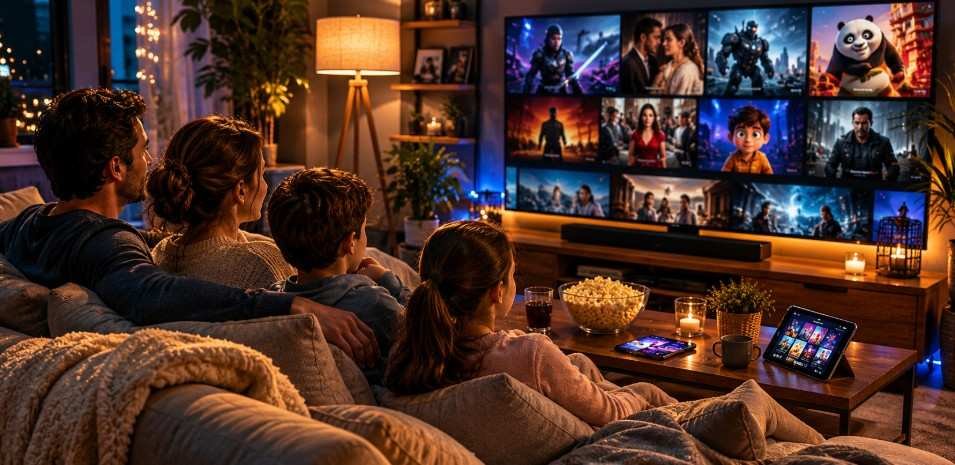
Movie nights feel different now. A friend recommends a show, a trailer pops up on TikTok, and within seconds the first episode is playing. That is exactly how streaming changed entertainment industry for everyday viewers. It made entertainment instant, personal, portable, and harder for old-school gatekeepers to control.
Streaming did not move TV shows and movies online. It rewired how entertainment is produced, released, promoted, measured, and monetized. From Netflix binge drops to Spotify playlists and YouTube creators, streaming turned attention into the industry’s most valuable currency.
Key Takeaways
- Streaming gave audiences control over what, when, and where they watch.
- OTT platforms weakened cable TV and old release windows.
- Binge-watching changed pacing and audience expectations.
- Global and indie content travels faster.
- Algorithms and creator platforms shape entertainment’s future.
What Is Everyone’s Watching?
Understanding how streaming changed entertainment industry matters because entertainment is no longer just studios making content and audiences receiving it. Today, viewers shape demand through clicks, watch time, skips, searches, shares, and subscriptions. Every pause and replay signals demand.
This shift affects everyone connected to entertainment. Viewers get more choice, creators get more visibility, advertisers get better targeting, and studios get instant feedback. Still, artists face royalty debates, audiences face subscription fatigue, and smaller titles fight for discovery.
Streaming now touches TV, movies, music, sports, live events, fandom, gaming, and social video. For readers, that makes the topic more than media history. It is a guide to spending smarter, choosing better, finding richer stories, and understanding why every platform fights so hard for watch time, loyalty, and cultural buzz every day. It explains changed Hollywood strategies, faster global hits, and phone-first creators competing with networks.
Disruption Of Linear TV And Box Offices
Streaming shook cable TV and theatrical releases.
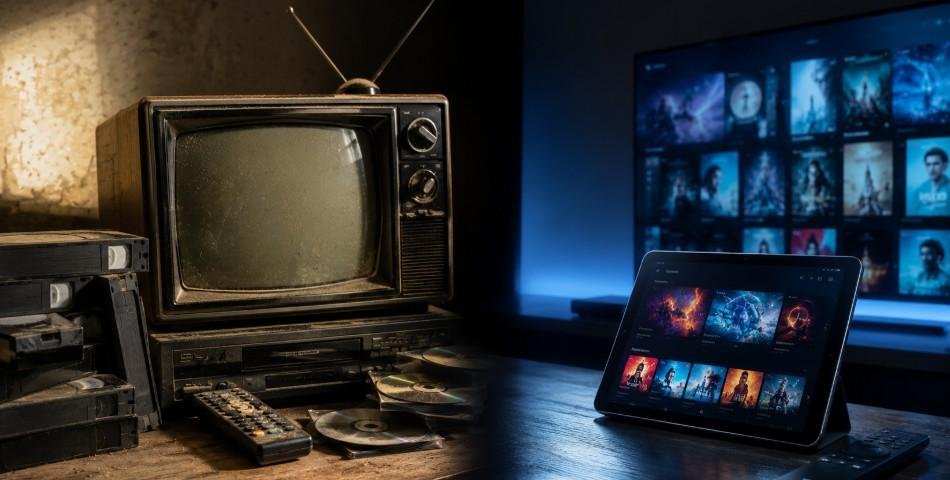
Cable Lost The Remote
Traditional television worked on fixed schedules, bundled channels, and appointment viewing. Streaming replaced that with OTT platforms, apps, and on-demand libraries. Viewers no longer wait for time slots or unwanted channels.
Cord-cutting became mainstream as people moved from cable packages to services like Netflix, Hulu, Disney+, Max, Peacock, Paramount+, and Prime Video. Power shifted from broadcasters to viewers.
Movie Releases Got Flexible
The movie industry also had to adapt. The old model depended on long theatrical windows. Streaming shortened that path. Some films now premiere online, some release in theaters and on-demand together, and others launch mainly on streaming.
Theaters are not dead. Big event films still pull crowds. But streaming changed the question. Now audiences ask, “Is it worth leaving home, or can I stream it soon?”
The Binge Model And Storytelling
Streaming changed where stories appear and how they are written.
Seasons Became Marathons
The binge model made entire seasons available at once. Instead of waiting a week between episodes, audiences could follow a story for hours in one sitting. That created weekend rituals and online chatter.
For writers, this changed pacing. Many shows rely on arcs, cliffhangers, mysteries, and slow-burn character development. The goal is simple: make viewers press “next episode.”
Episodes Became Stickier
In traditional TV, episodes often needed to stand alone because viewers might miss one. Streaming gave creators more room to build connected stories. Characters could evolve across longer arcs, and small details could pay off later.
Strong openings, emotional hooks, and clear stakes matter more than ever because audiences can leave instantly.
Global Content Democratization
Streaming broke geographic barriers.
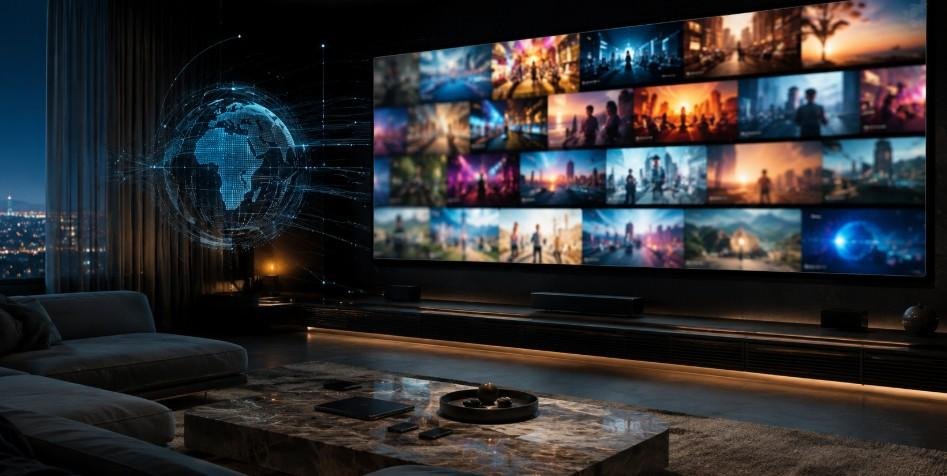
Borders Became Smaller
Before streaming, international shows often needed distribution deals, TV slots, or DVD releases to reach American audiences. Now, a Korean thriller, Spanish drama, British comedy, or Japanese anime can reach global viewers almost overnight.
This changed audience taste. Subtitles and dubbing became normal, and viewers opened up to stories outside Hollywood. Strong characters, suspense, comedy, emotion, and style can travel across culture.
Indie Voices Got Louder
Independent filmmakers, documentarians, and niche creators gained new opportunities. A project no longer needs a massive theatrical rollout to find fans. Streaming can place it in front of the right audience through search, recommendations, and social buzz.
The challenge is visibility. More access also means more competition. To stand out, indie entertainment needs sharp positioning, strong artwork, clear genre signals, reviews, creator promotion, and community support.
Creator Economy And Royalties
Streaming changed how creators earn.
Creators Became Channels
YouTube, TikTok, Twitch, Instagram, and podcast platforms turned individual creators into entertainment brands. A comedian, gamer, reviewer, musician, or filmmaker can build an audience without waiting for industry approval.
This democratized content creation. Fans can support creators through ads, memberships, sponsorships, merch, livestreams, and paid communities. Often, fans feel closer to creators because the relationship feels direct.
Music Moved To Streams
Music streaming changed ownership into access. Instead of buying albums, listeners explore huge catalogs through Spotify, Apple Music, Amazon Music, and YouTube Music. Playlists, algorithmic radio, short-form trends, and fan sharing move songs quickly.
But royalties remain a major debate. Streaming can create reach, yet many artists need massive play counts to earn meaningful income. Modern music careers often combine streaming with touring, licensing, merch, brand deals, and loyal fan communities.
Data-Driven Algorithms
Streaming made entertainment measurable.
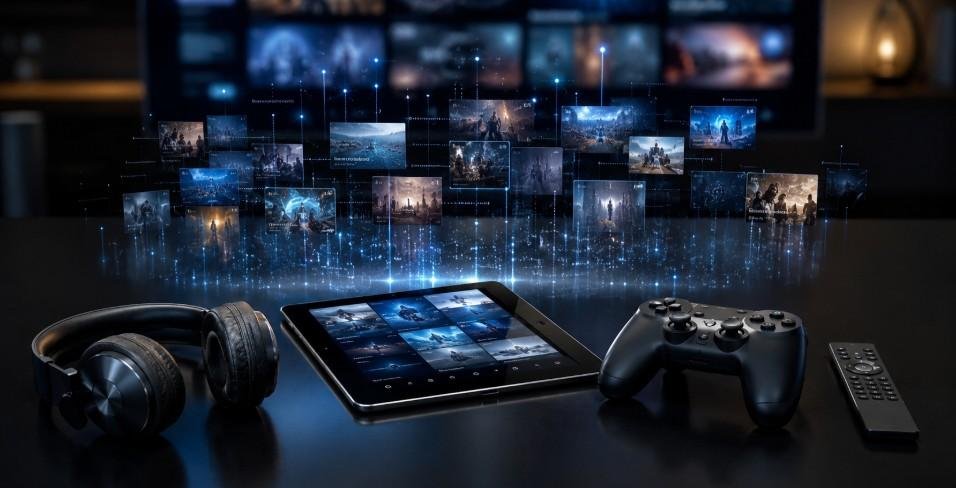
Recommendations Shape Discovery
Algorithms now guide what many people watch and hear. Platforms track viewing history, completion rates, skips, searches, watchlists, likes, rewatches, and similar audience behavior. Then they recommend content matching those patterns.
This can make discovery easier, but it can also narrow taste. For entertainment brands, metadata, thumbnails, titles, hooks, and audience retention all matter.
Studios Follow The Numbers
Streaming platforms know which scenes lose viewers, which genres drive subscriptions, and which shows attract fans. That data helps studios decide what to renew, cancel, promote, or localize.
The smartest entertainment strategy blends data with creativity. Numbers reveal behavior, but they cannot replace originality, emotional connection, cultural timing, or bold storytelling. Great content still needs a human spark.
Watch Smarter, Spend Less
Here is how streaming changed entertainment industry in real life, plus simple ways to enjoy it better.
Choose With Intention
Start with what you actually watch. Pick one platform for comfort shows, one for movies, one for sports, and one for music or creators. Cancel unused apps and rotate subscriptions as interests change.
This keeps entertainment fun instead of expensive and messy. The goal is not to own every app. Build a small entertainment mix that fits your habits of entertainment without screens.
Beat Endless Scrolling
Open your streaming app with a plan. Search by mood, genre, actor, playlist, critic list, or friend recommendation. Add titles to a watchlist during the week, then choose from it when ready to relax.
Step outside the algorithm sometimes. Try foreign dramas, docs, indie films, classics, concerts, creator series, or sports docs. Streaming works best when it expands your taste.
Frequently Asked Questions
1. How Did Streaming Services Change Entertainment?
It shows how streaming changed entertainment industry by making entertainment on-demand, personalized, mobile, and global while reducing gatekeeper control.
2. What Is The 2 Minute Rule On Netflix?
The 2 minute rule on Netflix is not an official policy. It usually means viewers decide very quickly whether a show or movie feels worth continuing.
3. How Has Streaming Changed The Way We Entertain Ourselves?
Streaming changed entertainment habits by making binge-watching, mobile viewing, playlists, watchlists, recommendations, live streaming, and global content part of daily life.
4. How Did Netflix Disrupt The Entertainment Industry?
Netflix disrupted entertainment by popularizing subscription streaming, original shows, binge releases, algorithmic recommendations, and direct-to-consumer viewing outside cable schedules.
Current Streaming Scene
How streaming changed entertainment industry is a story about control, creativity, and choice. Viewers gained freedom, creators gained new doors, and studios gained powerful data. The next chapter will bring smarter bundles, more ads, AI-driven discovery, global hits, and tougher competition. Streaming changed the screen and who decides what entertainment becomes.
