
A lot of people dealing with anxiety are not actually looking for deep healing at first. They just want the feeling to stop for a while. That is why quick fixes become so tempting. Scrolling endlessly, distracting yourself with work, emotional venting, or constantly searching for “instant calming techniques” can feel helpful in the moment because they interrupt the discomfort temporarily.
The problem is that anxiety usually returns the second the distraction fades. That cycle leaves many people feeling emotionally exhausted because they keep managing symptoms without ever building long-term emotional stability. Real calming habits work differently. They slowly train the nervous system to respond to stress more calmly over time instead of constantly reacting in survival mode.
Why Quick Fixes Usually Stop Working?
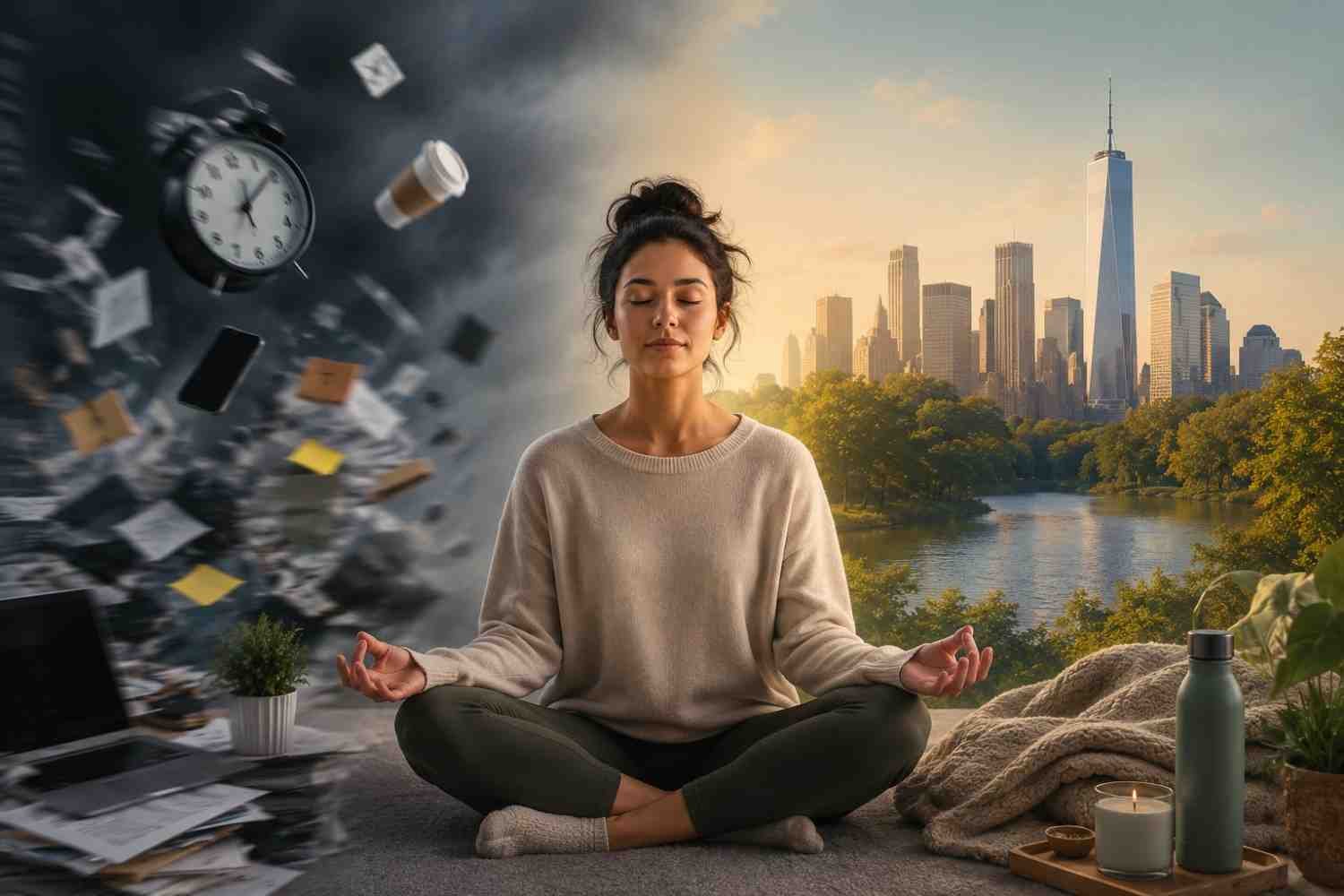
Quick fixes often provide emotional interruption, not emotional regulation. They create temporary relief by pulling attention away from anxious thoughts, but they rarely change how the brain processes stress underneath.
Temporary Relief Does Not Build Emotional Resilience
Many coping habits people rely on during anxious moments are actually forms of avoidance. Constant phone scrolling, emotional overeating, doomscrolling, excessive venting, or distracting yourself with nonstop productivity may quiet anxiety briefly, but they do not teach the brain how to regulate difficult emotions more effectively.
That is one reason anxiety often rebounds once the distraction disappears. The nervous system never truly learns how to settle itself.
Over time, this pattern can strengthen emotional dependence on external distractions instead of internal regulation skills.
Anxiety Relief Works Better When the Nervous System Feels Safe
Consistent calming habits gradually create predictability for the brain and body. Repeated routines signal safety to an overstimulated nervous system, which helps reduce the constant “fight-or-flight” response associated with chronic stress and anxiety.
This is where practices connected to daily habits for emotional balance become important. Small repeated behaviors often influence emotional stability more effectively than dramatic short-term solutions because the brain responds strongly to consistency.
Calming Habits Physically Affect the Brain Over Time
One reason long-term calming habits work so well is neuroplasticity. The brain continuously adapts based on repeated thoughts, behaviors, and emotional patterns.
Repetition Creates New Emotional Pathways
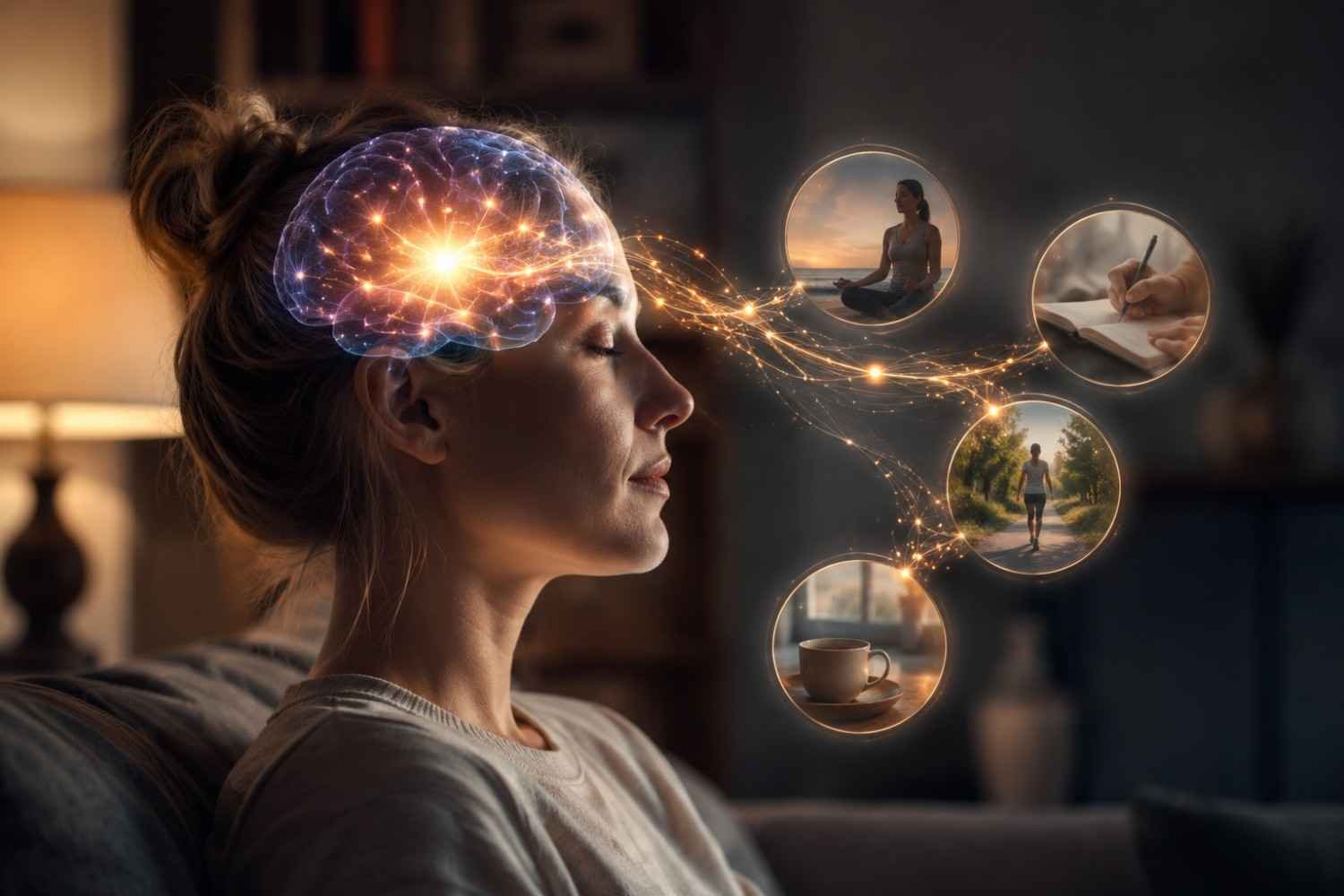
When calming habits become part of daily life, the brain slowly builds stronger neural pathways connected to emotional regulation and stress management.
Practices like:
- mindfulness exercises
- journaling
- slow breathing
- consistent sleep routines
- walking outdoors
help train the brain to pause before automatically reacting to anxious thoughts.
This process takes time, which is why calming habits may feel subtle initially. But repeated emotional regulation eventually becomes more automatic because the brain starts recognizing calmer responses as familiar patterns.
Cortisol Levels and Stress Responses Begin to Shift
Chronic anxiety often keeps cortisol and stress-response systems activated for long periods. Consistent calming routines help lower baseline stress levels gradually by moving the nervous system away from constant hypervigilance.
Research connected to mindfulness practices, sleep quality, and nervous system regulation repeatedly shows that small sustainable habits often improve emotional resilience more effectively than occasional extreme wellness routines.
The brain tends to respond better to repetition than intensity.
Small Daily Habits Usually Work Better Than Extreme Wellness Routines

Many people fail at anxiety routines because they try to completely change their lifestyle overnight.
Overcomplicated Wellness Routines Often Create More Pressure
A strict morning routine, hour-long meditation sessions, or highly structured self-care schedules may sound impressive online, but they can become emotionally draining in real life.
When routines feel unrealistic, people often abandon them quickly and then feel guilty afterward for “failing” at wellness.
That emotional guilt can actually increase anxiety.
The most effective calming habits are usually simple enough to repeat consistently, even during stressful weeks.
Consistency Matters More Than Intensity
A ten-minute walk every evening often helps more long-term than one overwhelming “mental reset day” every few months.
Small calming habits become powerful because they slowly teach the nervous system that safety and regulation are available regularly, not only during emotional emergencies.
That predictability matters deeply for emotional health.
Mindfulness Helps Interrupt Worry Loops
One major reason anxiety feels exhausting is that the brain constantly jumps into future-focused thinking.
The Brain Starts Living in “What If” Mode
Anxiety often creates repetitive mental loops:
- What if something goes wrong?
- What if I fail?
- What if I cannot handle this?
Mindfulness practices help bring attention back into the present moment instead of allowing the brain to spiral endlessly through imagined outcomes.
This does not eliminate stress completely, but it changes the relationship people have with anxious thoughts.
Emotional Awareness Creates More Control
People often think calming habits should remove anxiety instantly. In reality, many effective habits simply help people observe emotions without becoming consumed by them.
That shift creates emotional autonomy over time because the brain learns that anxious thoughts are experiences to notice, not emergencies requiring immediate panic.
Sleep, Movement, and Digital Overload Matter More Than People Think

Anxiety is not only mental. Physical habits heavily influence emotional regulation, too.
Poor Sleep Intensifies Emotional Reactivity
Lack of sleep often increases irritability, mental fatigue, emotional sensitivity, and difficulty regulating stress responses.
Consistent sleep routines support:
- cortisol regulation
- emotional processing
- nervous system recovery
- mental clarity
Even small improvements in sleep quality can noticeably affect anxiety levels over time.
Constant Stimulation Keeps the Brain Overactive
Modern routines expose people to nonstop notifications, fast-moving content, and digital overload throughout the day.
That constant stimulation makes it difficult for the nervous system to fully settle.
Simple habits like reducing nighttime screen exposure, walking without headphones, or creating quiet moments during the day often help more than people initially expect because they reduce overall overstimulation.
FAQs: Why Calming Habits for Anxiety Relief Work Better Than Quick Fixes
1. Why do calming habits work better than quick fixes for anxiety?
Calming habits help regulate the nervous system and build long-term emotional resilience, while quick fixes usually provide only temporary distraction from anxious thoughts.
2. How long does it take calming habits to help anxiety?
Many calming habits create gradual improvements over weeks or months because emotional regulation develops through repetition and consistency rather than instant results.
3. Can daily routines really reduce anxiety symptoms?
Consistent routines can help lower stress levels, improve emotional stability, and support nervous system regulation by creating predictability and healthier coping patterns.
4. What are the best calming habits for anxiety relief?
Mindfulness exercises, quality sleep, movement, journaling, breathing exercises, and reduced digital overstimulation are some of the most effective long-term calming habits.
The Nervous System Learns Through Repetition
Real emotional stability usually develops quietly. It rarely happens through dramatic breakthroughs or instant solutions. Most calming habits work slowly in the background, teaching the brain and body that stress does not always require panic, avoidance, or emotional shutdown.
That is why sustainable habits often outperform quick fixes long-term. They create emotional resilience gradually, helping anxiety feel less like something constantly controlling your day and more like something you can move through with greater awareness and steadiness.
