
Ever felt like your body is running on low battery while everyone else seems to burn energy faster? That is why people search for how i increase my metabolism. The truth is simple: metabolism improves through muscle, protein, movement, hydration, sleep, and steady habits.
Key Takeaways
- Metabolism is affected by age, muscle, hormones, food, activity, sleep, and stress.
- Strength training helps speed up metabolism because lean muscle uses more energy than fat.
- Protein-rich foods that boost metabolism include eggs, fish, tofu, yogurt, lentils, beans, nuts, and seeds.
- Crash dieting and skipping meals can reduce energy, movement, and appetite control.
- Water, sleep, walking, and stress control help your body use energy efficiently.
Why Your Body’s Burn Rate Matters
Understanding this topic helps you stop chasing tricks and build habits that support metabolic health.
It Affects Daily Energy
Your metabolism turns food into usable energy. It powers your heartbeat, breathing, digestion, brain function, body temperature, workouts, and walking.
So, when metabolism feels slow, life can feel harder. You may feel tired, hungry, less motivated, or frustrated by weight changes. Learning how i increase my metabolism gives you a practical way to support energy, strength, and wellness.
It Helps Weight Control
Metabolism is linked to weight management, but it is not the only factor. Calories, hormones, sleep, stress, gut health, muscle mass, and activity all work together.
The goal is to build lean muscle, eat nourishing food, and move consistently.
How To Increase Metabolism Naturally
The most proven way to increase your metabolism is to build lean muscle, eat adequate protein, avoid crash dieting, stay active, drink water, and sleep well.

Prioritize Strength Training
Strength training should be your first core habit. Lift weights, use resistance bands, or do bodyweight moves like squats, push-ups, lunges, rows, glute bridges, and planks twice a week.
Muscle tissue is metabolically active, which means it naturally burns more calories than fat tissue, even while you rest. Better muscle tone can raise your resting metabolic rate and make your body stronger.
Eat Enough Protein
Protein has a higher thermic effect than fats or carbohydrates, meaning your body uses more energy to digest, absorb, and process it. That is why protein helps anyone trying to speed up metabolism.
Add protein to every meal in a simple way. Try eggs at breakfast, chicken or tofu at lunch, fish or lentils at dinner, and Greek yogurt, cottage cheese, nuts, or roasted chickpeas as snacks.
Avoid Crash Dieting
Strict calorie restriction may seem fast, but it often sends the wrong signal. When your body gets too little food for too long, it may conserve energy, reduce movement, increase hunger, and make fat loss harder.
A smarter approach is a moderate calorie deficit, balanced meals, enough protein, and regular strength training. This protects lean muscle and supports a healthy metabolic rate while allowing steady progress.
Eat Consistently
Food timing does not need to be perfect, but your body does appreciate steady nourishment.
Avoid Skipping Meals
Skipping meals can lead to intense hunger later, low energy, and overeating at night. For some people, it may also make workouts weaker and daily movement harder.
Eating consistently helps your body trust that fuel is coming. Aim for meals built around protein, fiber-rich carbs, healthy fats, and colorful produce so you stay satisfied and energized.
Build Balanced Plates
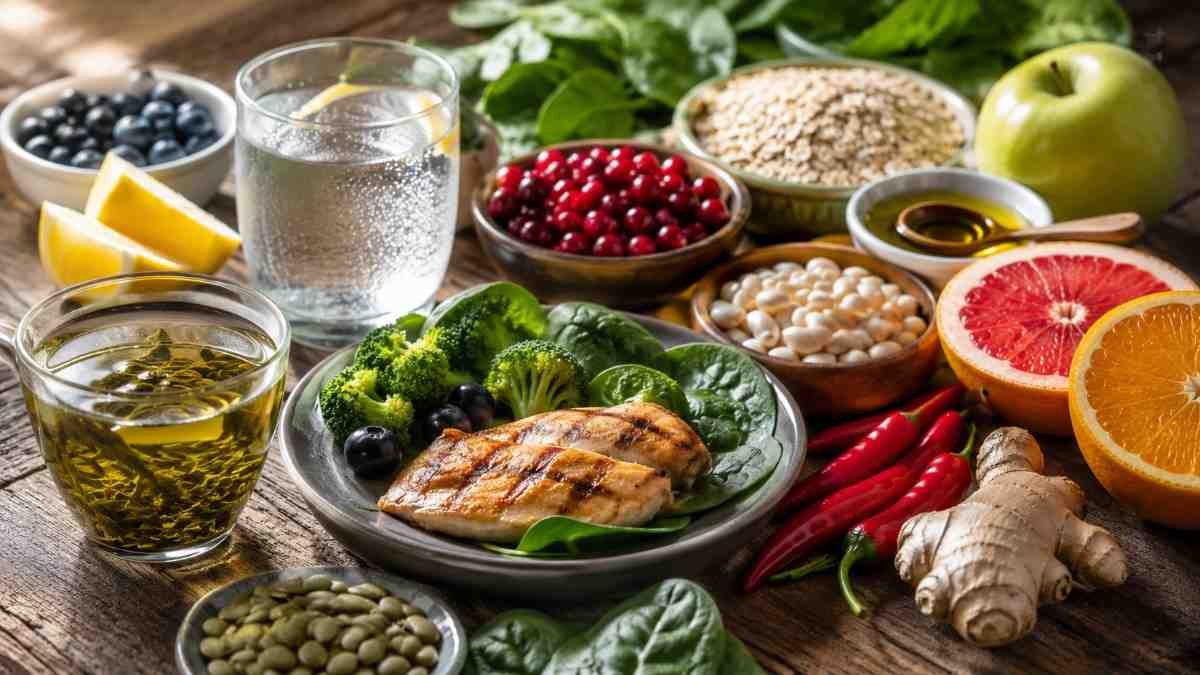
A balanced plate makes metabolism-friendly eating easy. Start with protein, add vegetables or fruit, include a smart carbohydrate like oats, brown rice, quinoa, beans, or potatoes, then add healthy fats.
This mix supports blood sugar balance, digestion, muscle repair, and fullness. It also keeps meals enjoyable, which matters because the best plan is the one you can repeat.
Hydrate Your Body
Water is not a magic fat burner, but it is essential for a body that wants to work well.
Drink Plenty Of Water
Even mild dehydration can make your body less efficient at processing calories. It can also make you feel tired, foggy, hungry, or less willing to move.
Start your day with water, keep a bottle nearby, and drink more around workouts, hot weather, or high-fiber meals. Clear or pale-yellow urine often suggests hydration is on track.
Choose Smart Drinks
Coffee and green tea may slightly support metabolism because of caffeine and natural plant compounds. Spicy foods may also have a small effect because of capsaicin.
Still, these are helpers, not heroes. Water, protein, strength training, daily movement, and sleep will always matter more than any metabolism booster drink or detox tea.
Sleep And Recovery
Your body does important metabolic work while you rest, so recovery deserves a real place in your plan.

Get Quality Sleep
Aim for seven to nine hours of quality sleep each night. Chronic sleep deprivation can disrupt hunger hormones, increase cravings, impair insulin sensitivity, and make your body less efficient at using energy.
Create a simple routine. Dim lights at night, reduce late screen time, keep your room cool, and try to sleep and wake at similar times most days.
Manage Stress
Long-term stress can raise cortisol, increase cravings, disturb sleep, and make healthy habits harder to maintain. Stress does not ruin your metabolism, but it can push you toward choices that slow progress.
Try walking, deep breathing, journaling, stretching, prayer, music, or quiet time. A calm nervous system often supports better eating, better sleep, and better consistency.
Real-Life Tips That Work
This is where how i increase my metabolism becomes simple enough to practice every day.
Start Your Morning Strong
Begin with water, sunlight, and a protein-rich breakfast. A good option could be eggs with vegetables, Greek yogurt with berries, tofu scramble, or oatmeal with protein added
Then move for five to ten minutes. A short walk, light stretching, or a few bodyweight squats can wake up your muscles and set a healthy tone.
Keep Moving All Day
Daily movement outside workouts is called NEAT, or non-exercise activity thermogenesis. It includes walking, cleaning, standing, cooking, gardening, taking stairs, and even pacing during phone calls.
Use tiny movement snacks. Walk after meals, stand every hour, park farther away, or take stairs when you can. These small actions help increase total calorie burn without another gym session.
Check Medical Clues
Sometimes metabolism struggles are not just lifestyle related. Thyroid problems, insulin resistance, hormonal changes, certain medications, and nutrient deficiencies can affect energy and weight.
If you notice sudden weight changes, extreme fatigue, hair loss, irregular periods, feeling cold often, or ongoing constipation, talk with a qualified healthcare professional.
Frequently Asked Questions
1. How Do I Boost My Metabolism Quickly?
To boost metabolism quickly, move your body, drink water, eat protein, and avoid skipping meals. how i increase my metabolism works best when quick actions become daily habits.
2. Which Foods Increase Metabolism?
Protein-rich foods that boost metabolism include eggs, fish, chicken, tofu, Greek yogurt, lentils, beans, nuts, and seeds. Coffee, green tea, and spicy foods may help slightly.
3. What Is The Biggest Metabolism Killer?
Crash dieting is a major metabolism killer. Eating too little for too long can reduce energy, increase hunger, lower daily movement, and make muscle loss more likely.
4. How Do I Trick My Metabolism Into Burning Fat?
You do not need tricks. Build muscle, eat enough protein, stay hydrated, sleep well, walk daily, and use a moderate calorie deficit if fat loss is your goal.
Make Your Metabolism Your Friend
Learning how i increase my metabolism is about treating your body like a teammate. Build lean muscle, eat protein, skip crash diets, drink water, sleep deeply, and move often. These habits help you speed up metabolism naturally while supporting energy, strength, and long-term health. Start small, stay steady, and let your body respond.
