
Cracking a competitive exam isn’t about grinding endlessly; it’s about working smarter. I learned early that understanding the exam structure, mastering core resources, and training under real conditions made all the difference. This strategy transformed my preparation from chaotic study sessions into a disciplined, high-performance system.
Decode the Exam Architecture
Before touching a textbook, I spent days dissecting the exam’s structure. Knowing the architecture gave me clarity and prevented wasted effort.
Syllabus Constraints
I printed the official syllabus and stuck strictly to the topics listed. Focusing only on explicitly mentioned content kept my prep lean and precise. Extra material can overwhelm beginners, so avoid it.
Marking Mechanics
Understanding section weights and negative marking helped me prioritize study time. I tracked historical cutoff trends to identify which areas demanded the most effort.
Trend Analysis
Analyzing five years of previous year question papers (PYQs) revealed recurring themes and difficulty patterns. This insight allowed me to anticipate question types and allocate time effectively during practice.
Standardize a Lean Resource Pool
Resource overload is a common trap. I minimized clutter by selecting one core book per subject and focusing on previous year questions.
Core Texts
I relied on foundational volumes recommended by experts. For general exams, NCERT or equivalent authoritative texts served as my backbone.
Stick to One Source
Instead of skimming multiple books, I mastered a single text per subject. Complete mastery of one source outweighed partial familiarity with several.
Shift From Rote Memorization to Active Testing
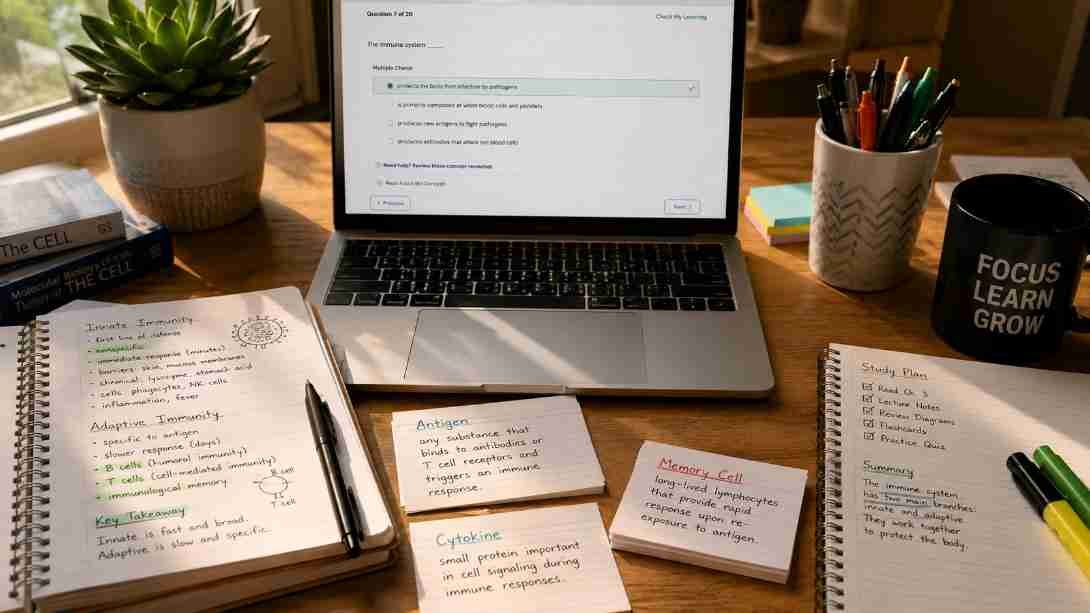
I discovered that passive reading gave a false sense of readiness. Active testing ensures true retention and speeds up recall during exams.
Active Recall
After completing a topic, I closed the book and wrote everything I remembered from memory. Explaining concepts aloud reinforced understanding.
Spaced Repetition
I revisited tough concepts systematically—first after 24 hours, then a week later, and again after a month. This method locked knowledge into long-term memory.
Mistake Notebook
I maintained a dedicated journal for errors, noting the question, faulty reasoning, and correct approach. Reviewing this daily drastically reduced repeated mistakes.
Treat Mock Exams as Learning Frameworks

Mock tests became the cornerstone of my strategy, not just a pre-exam checkpoint.
Triage System
Early mocks helped me classify topics: green for strengths, yellow for moderate areas, and red for weak points. This traffic-light system focused my revisions efficiently.
Simulated Realism
I scheduled weekly full-length mocks under strict timing and no interruptions. Simulating exam conditions reduced anxiety and trained my pacing.
Deep Post-Analysis
I spent twice the time analyzing mock results than taking the test. Every mistake was scrutinized: was it a conceptual gap, misread keyword, or time pressure? This reflection refined my approach.
Build High-Performance Habits
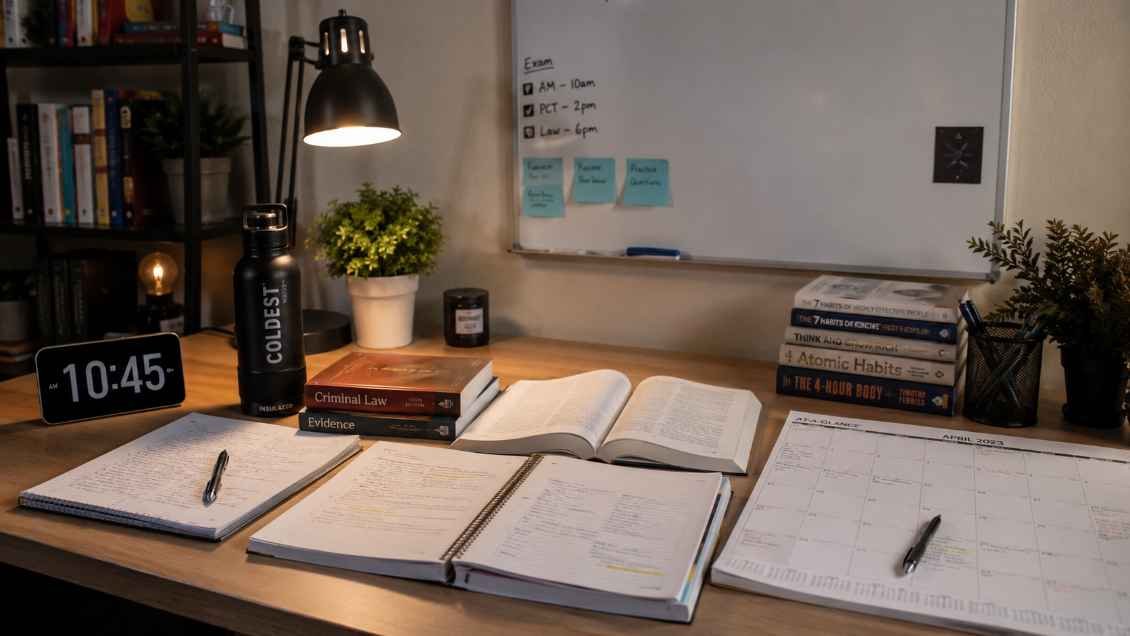
Consistency beats intensity. I built daily routines that supported mental stamina and cognitive efficiency.
Time-Boxing
I implemented structured deep-work slots, such as 50 minutes of focused study followed by 10 minutes of movement. This method maximized attention and minimized fatigue.
Protect Cognitive Health
Regular 7–8 hours of deep sleep became non-negotiable. Sleep transformed short-term revision into accessible, analytical memory. Balanced nutrition and breaks kept my mind sharp for problem-solving.
Integrate Free Educational Resources for Students
While core texts formed my foundation, I supplemented my learning using free educational resources for students. These online platforms offered interactive quizzes, concept explanations, and mock papers at no cost, saving both money and time. Integrating these resources helped me practice efficiently and track my progress against a broader benchmark.
My Unique Takeaway
A single insight transformed my approach: focus on precision, not hours. By decoding the exam, limiting resources, actively testing knowledge, and treating mocks as diagnostic tools, I achieved far more than cramming ever could. The difference lies not in effort but in strategy.
Frequently Asked Questions
1. How early should I start preparing for competitive exams?
Ideally, start 6–12 months before the exam, depending on your baseline knowledge and the exam’s difficulty.
2. Can I rely solely on online resources?
Online tools supplement, but mastery comes from standard textbooks and structured practice. Mix both for optimal results.
3. How do I overcome weak areas quickly?
Use the traffic-light mock system. Focus red topics first with active recall and frequent revisions.
4. Is it better to study for long hours or short, focused sessions?
Short, structured sessions with breaks (time-boxing) outperform irregular, long sessions. Cognitive efficiency matters more than duration.
5. How can I avoid burnout while preparing?
Maintain consistent sleep, take breaks, exercise lightly, and integrate mock tests progressively rather than cramming endlessly.
Ready, Set, Conquer
Competitive exams are less about raw effort and more about strategic execution. Decoding the exam, mastering one resource, testing knowledge actively, and building disciplined habits transformed my results. Commit to these methods, track progress meticulously, and let every study hour count.
