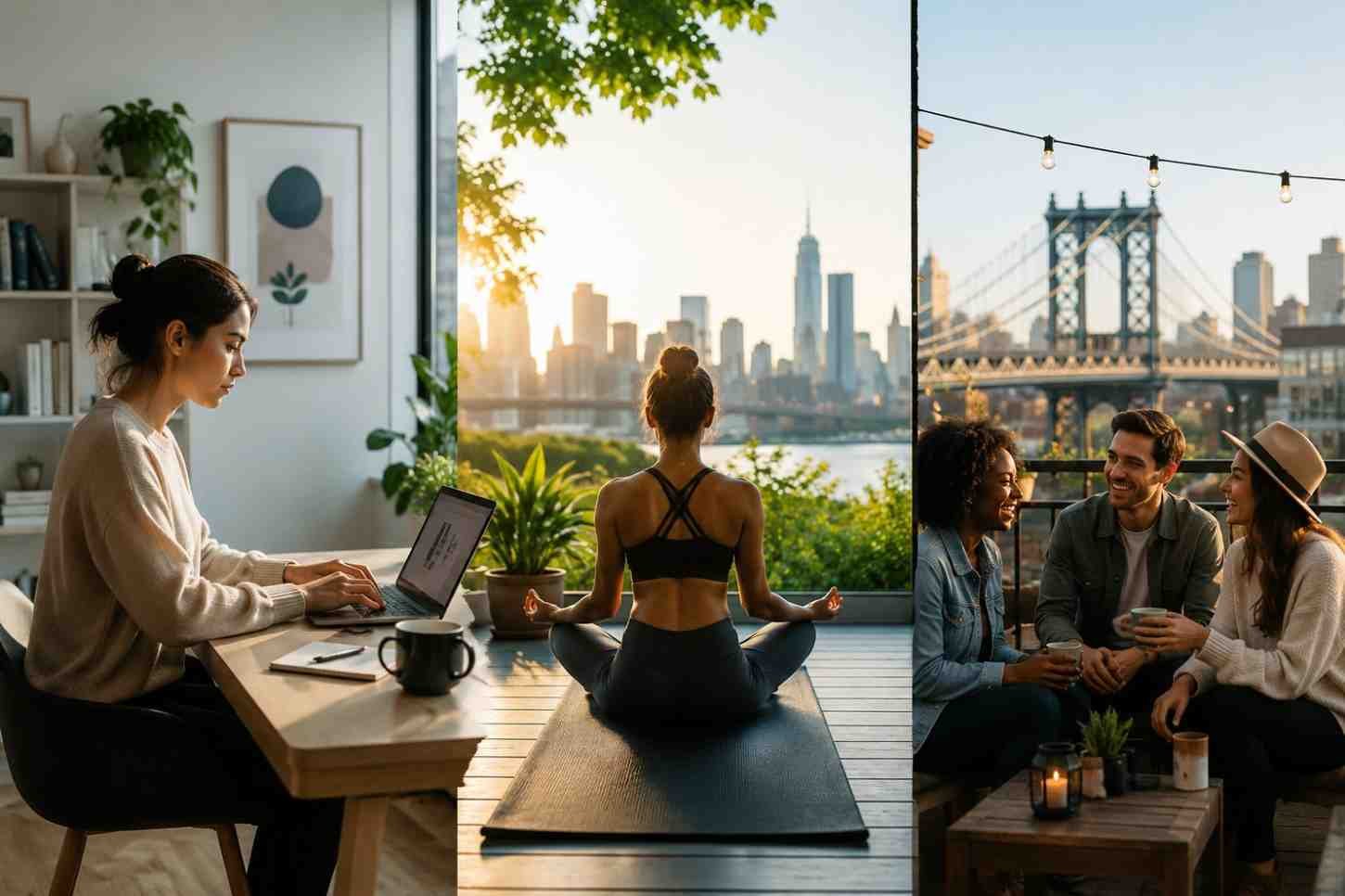
Life feels different now, even in small everyday moments. People answer work messages from coffee shops, track their sleep before bed, skip loud parties for quieter gatherings, and actively look for ways to feel less mentally drained. The idea of “having it all together” has slowly been replaced by something more realistic: protecting energy, feeling balanced, and building routines that actually fit real life.
A few years ago, productivity was treated like a personality trait. Now, more people are questioning constant hustle culture and choosing habits that make daily life feel sustainable. Many modern lifestyle trends people follow today are less about showing success and more about creating stability, emotional clarity, and meaningful experiences. That shift is visible in work culture, wellness routines, and even the way people socialize.
Work Life No Longer Revolves Around Constant Hustle
Flexible Work Has Changed Daily Routines
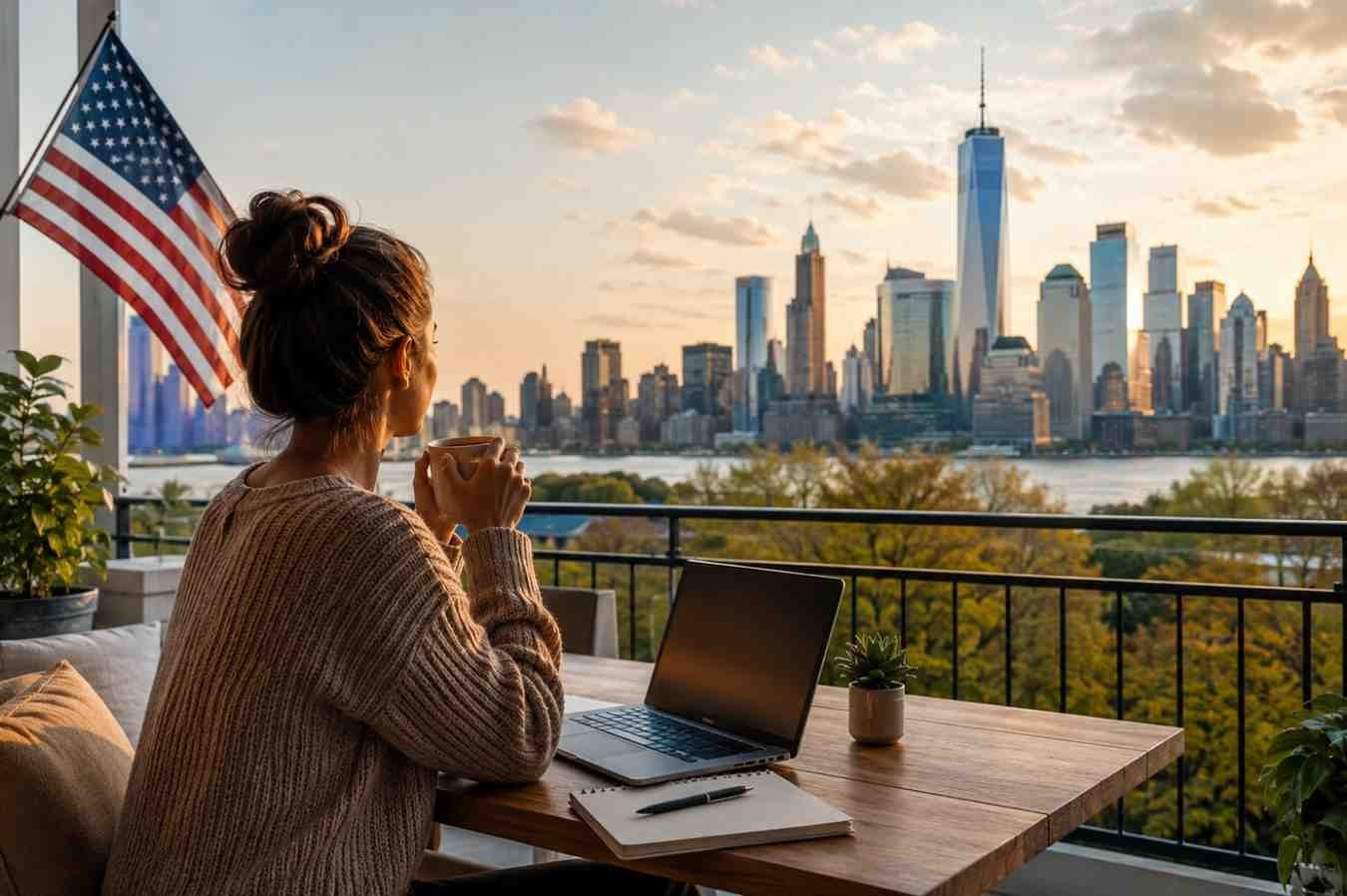
Traditional desk-bound schedules no longer define modern work culture the way they once did. Flexible work arrangements have changed how people structure their mornings, commute, meals, and personal time. Many professionals now build routines around focus and energy instead of fixed office hours.
Hybrid work also pushed people to personalize their environments. Home office setups, walking meetings, focus playlists, and quiet work blocks became part of everyday routines. Instead of chasing nonstop busyness, people are trying to create workdays that feel mentally manageable.
The biggest shift is psychological. Employees increasingly value autonomy over rigid control. They want flexibility, not just higher salaries.
Burnout Recovery Became A Serious Priority
Modern work culture created an environment where many people stayed permanently connected to emails, notifications, and after-hours communication. That constant availability led to widespread mental exhaustion.
Now, recovery is becoming part of workplace culture itself. Mental health days, stricter communication boundaries, and realistic productivity expectations are becoming more common. The “right to disconnect” mindset is growing because people no longer want work to consume every part of their day.
AI tools also changed how professionals manage repetitive tasks. Instead of spending hours on administrative work, many workers now use automation tools to reduce mental overload and save energy for more strategic thinking.
Wellness Trends Feel More Personal Than Performative
Low-Effort Wellness Is Replacing Extreme Routines
For years, wellness culture often felt intense and competitive. People followed strict diets, exhausting workout programs, and unrealistic self-improvement routines. That mindset is fading.
Many people now prefer sustainable habits that feel easier to maintain long-term. Short workouts, mobility exercises, walking routines, stretching, and nervous-system regulation practices are becoming more common than extreme fitness plans.
People are focusing on consistency instead of intensity.
Some wellness habits growing rapidly include:
- breathwork and somatic movement
- low-impact strength training
- sleep-focused routines
- digital detox habits
- recovery-based fitness
- shorter “snack-sized” workouts
This softer approach feels more realistic for people balancing work stress, family responsibilities, and social obligations.
Mental Wellness Is Closely Connected To Physical Health
Another major shift is how people think about emotional health. Wellness is no longer limited to appearance or physical fitness. Mental clarity, emotional regulation, and nervous-system health are becoming central parts of modern wellness culture.
People are paying more attention to:
- screen fatigue
- stress-related exhaustion
- emotional burnout
- sleep quality
- overstimulation from constant notifications
That’s one reason digital minimalism has become so popular. More people intentionally create screen-free hours during the day to improve focus and reduce mental clutter. Activities like journaling, gardening, reading physical books, pottery, and cooking are becoming popular again because they help people slow down mentally.
Even nutrition trends reflect this change. Functional foods, gut health awareness, hydration habits, and anti-inflammatory eating patterns are increasingly tied to emotional wellbeing and energy levels instead of just weight management.
Social Life Is Becoming More Intentional
Smaller Gatherings Feel More Meaningful
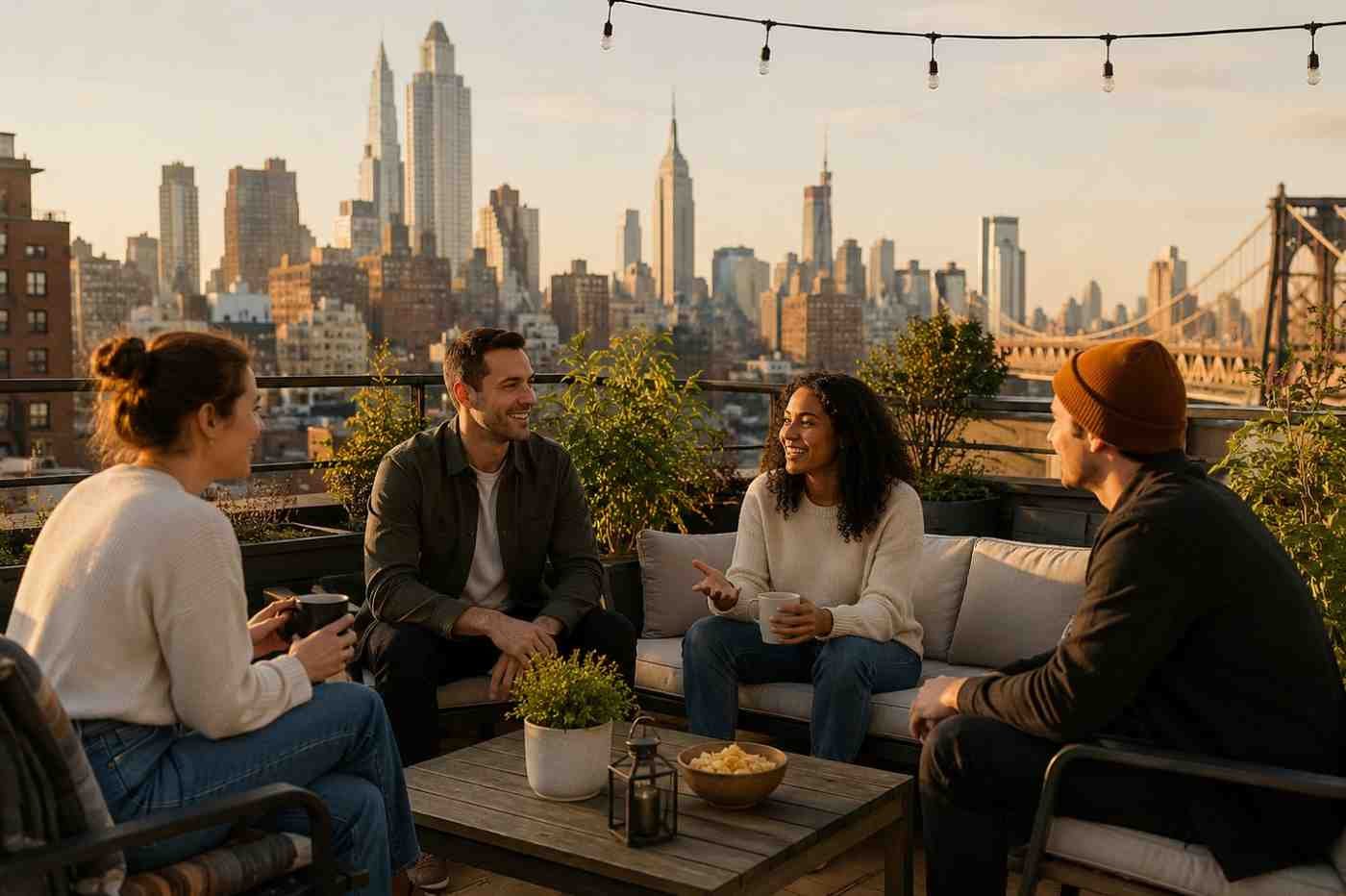
Social life has changed dramatically in recent years. Large social circles and constant nightlife no longer appeal to everyone the way they once did. Many people now prefer smaller gatherings with closer connections.
Dinner parties, board game nights, workout groups, community classes, and wellness-focused meetups are becoming more attractive than crowded social environments. People want conversations that feel genuine instead of performative.
This trend also reflects growing social exhaustion. Constant online interaction left many people emotionally drained, so they started prioritizing quality over quantity in relationships.
Interestingly, this shift also connects with travel behavior. People increasingly prefer slower, more intentional experiences instead of packed itineraries. Many travelers now rely on lifestyle-friendly travel hacks to reduce stress, save energy, and make trips feel more balanced instead of overwhelming.
Third Places Are Becoming Important Again
Modern lifestyle trends people follow today also show a renewed interest in “third places.” These are spaces outside home and work where people feel connected to the community.
Independent cafés, climbing gyms, bookstores, run clubs, community gardens, and wellness spaces are becoming social anchors for many adults. These environments offer connection without the pressure of traditional nightlife.
Wellness-centered socializing is especially growing among younger professionals. Instead of alcohol-focused gatherings, many people now choose:
- run clubs
- sound baths
- yoga communities
- pottery workshops
- sauna sessions
- hiking groups
These activities combine social interaction with emotional wellbeing, which feels more sustainable for many people.
Technology Is Both Helpful And Exhausting
Digital Detox Habits Are Becoming Normal
Technology improved convenience in countless ways, but it also created constant mental stimulation. Notifications, endless scrolling, and blurred work-life boundaries have left many people mentally overstimulated.
As a result, digital detox habits are becoming part of everyday routines instead of temporary trends.
People are:
- turning off nonessential notifications
- setting screen limits
- creating phone-free spaces at home
- taking social media breaks
- replacing screen time with analog hobbies
The goal is not to completely reject technology. Most people simply want healthier boundaries with it.
Homes Are Becoming Recovery Spaces
Homes are no longer designed only for functionality. Many people now treat their living spaces as emotional recovery zones.
Comfort, quietness, lighting, sleep quality, and calming environments matter more than purely aesthetic trends. Cozy reading corners, wellness-focused bedrooms, indoor plants, and hosting-friendly living rooms reflect how deeply lifestyle priorities have changed.
People want homes that support rest, connection, and mental recovery after overstimulating days.
FAQs: Modern Lifestyle Trends People Follow Today In Work, Wellness, And Social Life
1. Why are modern lifestyle trends becoming more wellness-focused?
People are experiencing higher levels of stress, burnout, and digital overload. Wellness-focused habits help create emotional balance, healthier routines, and more sustainable daily living.
2. What is digital minimalism in modern lifestyles?
Digital minimalism means using technology more intentionally. People reduce unnecessary screen time, limit notifications, and create healthier boundaries around devices.
3. Why are flexible work trends becoming so popular?
Flexible work gives people more control over their schedules and personal lives. Many workers feel more productive and mentally balanced with hybrid or remote arrangements.
4. What are third places in modern social culture?
Third places are spaces outside home and work where people build community and social connections. Examples include cafés, gyms, hobby groups, and community spaces.
Final Thoughts
Modern lifestyle trends people follow today are less about chasing perfection and more about protecting peace of mind. People are slowly redefining success through balance, emotional wellbeing, flexibility, and meaningful connection. That shift explains why slow living, digital boundaries, wellness-centered routines, and intentional social habits continue to grow. Many individuals simply want lives that feel manageable instead of constantly optimized.
The biggest change is that people are no longer trying to do everything at once. They are choosing routines that help them feel more present, healthier, and emotionally steady in everyday life.
