
Travel always feels exciting to me, but I have learned that feeling good on the road does not happen by accident. Long flights, roadside snacks, late nights, new climates, and packed schedules can quickly drain my energy if I do not plan ahead.
That is why How to Stay Healthy While Traveling is not just about avoiding sickness. It is about staying comfortable, energized, and ready to enjoy the trip without turning every moment into a strict health routine.
The good news is simple habits can make a big difference. I do not need a perfect meal plan or a hotel gym every day. I just need smart preparation, flexible choices, and a few non-negotiable health basics.
Why Travel Can Affect Your Health
Travel changes almost everything your body depends on. Your sleep schedule shifts. Your meals become less predictable. You may sit for hours on planes, trains, or in cars. You may also face crowded spaces, dry cabin air, unfamiliar foods, and different weather.
These changes can lead to dehydration, fatigue, stomach issues, headaches, stress, or a weaker immune response. That does not mean you should worry through your whole trip. It simply means your body needs extra support while your routine is disrupted.
Start With a Simple Pre-Travel Health Checklist
Before I leave for any trip, I like to handle the health basics first. I check my prescriptions, pack enough medicine for extra days, and keep important items in my carry-on instead of checked luggage.
I also make sure I have copies of key health details, emergency contacts, insurance information, and any important prescription labels. For longer or international trips, it helps to check destination health guidance, vaccine needs, medication rules, and local care options before departure. A small amount of preparation can prevent major stress later.
Pack a Travel Health Kit
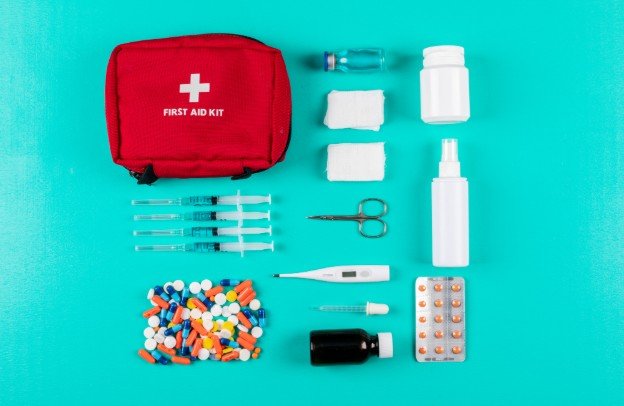
A travel health kit does not need to be complicated. I usually pack pain relievers, stomach relief tablets, motion sickness medicine, allergy medicine, bandages, sanitizer, disinfecting wipes, sunscreen, insect repellent, electrolyte packets, and any personal prescriptions.
For flights, I also keep lip balm, a refillable water bottle, tissues, and healthy snacks nearby. These small items save time and help me avoid overpriced airport purchases. If you are traveling with kids, older adults, or someone with a medical condition, it is smart to customize the kit for their needs.
Stay Hydrated During Travel Days
Dehydration is one of the fastest ways to feel tired while traveling. Flights, warm weather, alcohol, salty snacks, and busy sightseeing days can all make it worse.
I try to drink water before I feel thirsty. A refillable bottle makes this easier, especially at airports and hotels. Electrolytes can help on long travel days, after heavy sweating, or when I feel run down.
I also watch my coffee and alcohol intake. I still enjoy them, but I balance them with extra water so I do not start the next day feeling sluggish.
Eat Well Without Being Too Strict
Healthy eating while traveling should feel realistic. I do not skip local food or avoid every treat. Instead, I build balance into the day. A simple rule that works for me is to include protein, fiber, and water whenever possible. Eggs, yogurt, nuts, fruit, grilled chicken, salads, oatmeal, rice bowls, and sandwiches can keep energy steady.
I also pack snacks like trail mix, protein bars, apples, or whole-grain crackers. This helps me avoid grabbing only chips, candy, or fast food when I am hungry between stops. When traveling somewhere with uncertain water safety, I stick with sealed bottled water, cooked foods, and fruit I can peel.
Keep Moving Even Without a Gym
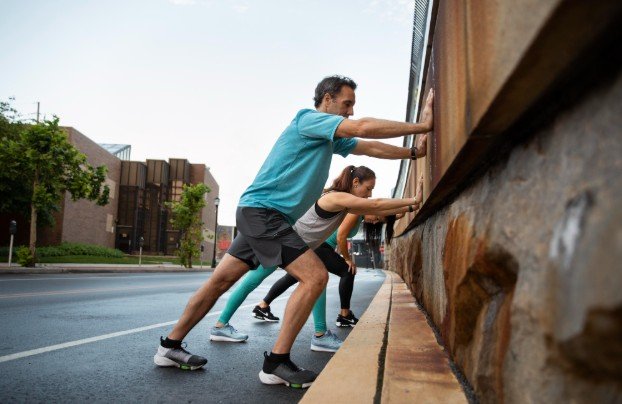
You do not need a full workout routine to stay active. Walking through airports, stretching during road trip stops, taking stairs, exploring cities on foot, or doing a short hotel-room workout can help.
On long drives, I like to stop every few hours to walk and stretch. On flights, I move my feet, roll my ankles, and stand when it is safe. These small movements support circulation and reduce stiffness. Even 10 to 15 minutes of movement can reset your energy during a packed travel day.
Protect Your Sleep and Manage Jet Lag
Sleep is often the first thing I lose while traveling. Different time zones, late dinners, early tours, and unfamiliar rooms can make rest harder.
To sleep better, I pack an eye mask, earplugs, and comfortable layers. I also try to get morning light after arrival, avoid very long naps, and limit caffeine later in the day.
For jet lag, I adjust gradually when possible. If I arrive during the day, I try to stay awake until local bedtime. It is not always easy, but it helps my body adapt faster, just like following practical travel insurance tips for beginners helps you prepare before the trip.
Practice Hygiene in Crowded Places
Airports, hotels, rideshares, rest stops, and tourist attractions bring you close to many people and surfaces. Good hygiene is one of the easiest travel health habits.
I wash my hands before eating, after using public transport, and after visiting crowded places. When soap and water are not available, sanitizer helps. I also wipe down high-touch surfaces like tray tables, armrests, hotel remotes, and phone screens.
This does not need to become obsessive. It is just a simple way to lower risk while moving through busy spaces.
Protect Your Skin and Body Outdoors

Outdoor trips can be refreshing, but sun, heat, cold, and insects can create problems fast. I always pack sunscreen, sunglasses, a hat, and comfortable walking shoes.
In warm places, I plan breaks, drink more water, and avoid pushing too hard during peak heat. In colder areas, I dress in layers so I can adjust as temperatures change.
Bug protection matters too, especially near lakes, forests, parks, or humid countries around the world. Insect repellent and long sleeves can help prevent bites.
Know What to Do If You Get Sick
Even with good habits, sickness can still happen. If I start feeling unwell, I slow down early instead of ignoring symptoms. Rest, fluids, light meals, and basic medicine can help with mild issues.
For serious symptoms like chest pain, trouble breathing, severe dehydration, high fever, intense stomach pain, or symptoms that worsen quickly, medical care should not wait. It also helps to know where the nearest urgent care, pharmacy, or hospital is, especially when staying in a new city.
Frequently Asked Questions
1. How do I avoid getting sick while traveling?
Wash your hands often, stay hydrated, sleep enough, avoid risky food or water, keep medicine nearby, and give your body rest when needed.
2. What should I pack to stay healthy while traveling?
Pack prescriptions, pain relievers, stomach medicine, allergy medicine, sanitizer, wipes, sunscreen, insect repellent, electrolytes, bandages, and healthy snacks.
3. How can I eat healthy while traveling?
Choose balanced meals when possible. Look for protein, vegetables, fruit, whole grains, and water. Enjoy local treats, but avoid relying on heavy or sugary foods all day.
4. What is the easiest way to follow How to Stay Healthy While Traveling?
Start with the basics: hydrate, sleep, move daily, wash your hands, pack a small health kit, and make balanced food choices without being too strict.
Final Thoughts
For me, How to Stay Healthy While Traveling comes down to preparation, balance, and listening to my body. I still want to enjoy great food, late sunsets, scenic drives, and spontaneous plans. I just feel better when I support my energy along the way.
Travel should not feel like a health challenge. With a small kit, smart meals, clean hands, steady hydration, better sleep, and a little movement, you can enjoy the journey and come home feeling good instead of completely drained.
