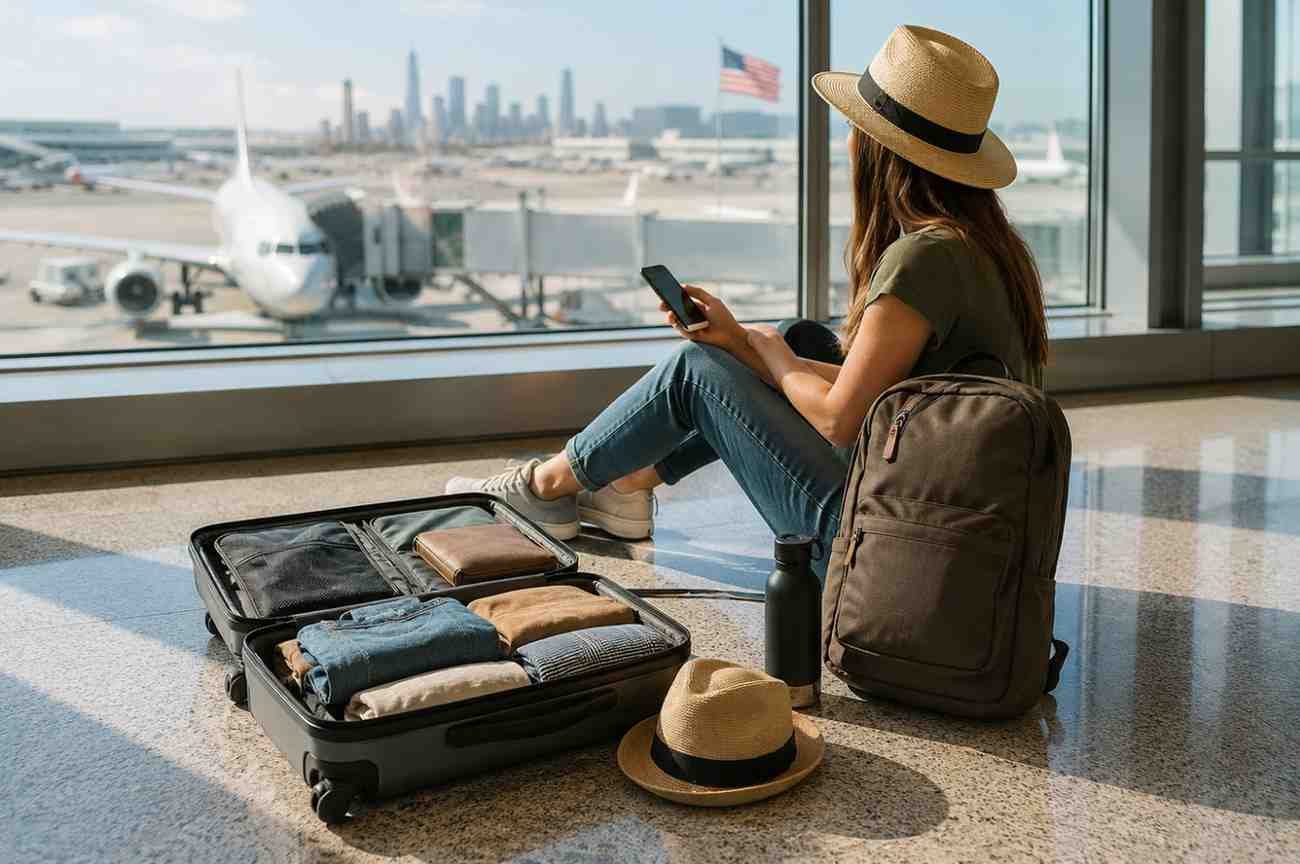
There was a time when traveling meant dragging a heavy suitcase through crowded airports, stuffing bags with “just in case” outfits, and regretting half the things packed before the trip even started. A lot of people still travel that way. The strange part is that most of those extra items never get used. They only add stress, slow movement, and make every transition feel exhausting.
Lighter travel changes the entire experience. You move faster, think less, and stop treating every trip like a relocation project. Over time, many frequent travelers realize that smart travel habits matter more than packing more things. A lighter bag often creates a calmer mind, too. The same mindset that helps create an environment can also make travel feel more organized and manageable.
Why Lightweight Travel Feels Better Almost Immediately
Travel fatigue usually starts before the trip even begins. Heavy luggage, cluttered bags, and poor organization create constant friction throughout the day.
Less Weight Means Less Mental Load
People often focus only on physical weight, but clutter affects mental energy too. Digging through an overpacked suitcase for chargers, toiletries, or clothes becomes frustrating quickly.
Simple travel routines remove that chaos. When everything has a place, the trip feels smoother from the airport to the hotel room.
Carry-On Travel Changes Your Entire Routine
Many travelers who switch to carry-on luggage rarely go back. It saves waiting time, reduces baggage fees, and forces smarter packing decisions.
More importantly, it encourages intentional packing instead of emotional packing.
Smart Wardrobe Choices Make the Biggest Difference
Most overpacking problems start with clothing. People pack for imaginary situations instead of realistic plans.
Try the 5-4-3-2-1 Capsule Rule
One of the easiest minimalist travel tips is the 5-4-3-2-1 approach:
- 5 tops
- 4 bottoms
- 3 accessories
- 2 pairs of shoes
- 1 jacket
This system creates enough space for a productive home environment without turning your suitcase into a closet.
Build Around One Color Palette
Monochromatic or neutral color themes make packing lighter much easier. When everything matches everything else, fewer items create more outfit options.
Black, beige, navy, gray, and white work especially well because they mix naturally.
Pack Outfits Instead of Random Clothes
A common mistake is throwing individual items into a suitcase without planning a complete look.
Instead, think day by day:
- Travel outfit
- Dinner outfit
- Walking outfit
- Relaxed casual outfit
That small shift cuts unnecessary clothing almost immediately.
Fabric Choices Matter More Than Most People Realize
Experienced travelers usually care less about trendy clothes and more about fabric performance.
Quick-Dry Fabrics Reduce Overpacking
Merino wool, lightweight cotton blends, linen, and athletic materials dry faster and stay fresh longer.
This allows travelers to wash smaller loads overnight instead of carrying extra backup outfits.
Repeating Clothes Is Completely Normal
Social media created unrealistic travel expectations where every photo needs a different outfit. Real travel works differently.
Repeating versatile clothing pieces is practical, comfortable, and, honestly, more efficient. Most people will never notice repeated outfits anyway.
Space-Saving Packing Systems Actually Work
Packing methods matter just as much as what goes inside the bag.
Roll Clothes Instead of Folding
Rolling clothing saves space surprisingly well. It also helps reduce wrinkles and creates easier visibility inside the suitcase.
Many travelers notice they can fit several extra items simply by switching from folding to rolling.
Compression Packing Cubes Keep Bags Organized
Packing cubes are one of those travel organization hacks that genuinely help. Compression cubes reduce air space and separate clothing categories clearly.
Instead of unpacking the whole suitcase to find socks, everything stays structured.
Use Empty Spaces Creatively
Shoes take up a lot of room. Smart travelers use that empty interior space for:
- Chargers
- Socks
- Sunglasses
- Small toiletries
This small trick alone creates noticeable extra room.
Toiletries Usually Add More Weight Than Expected
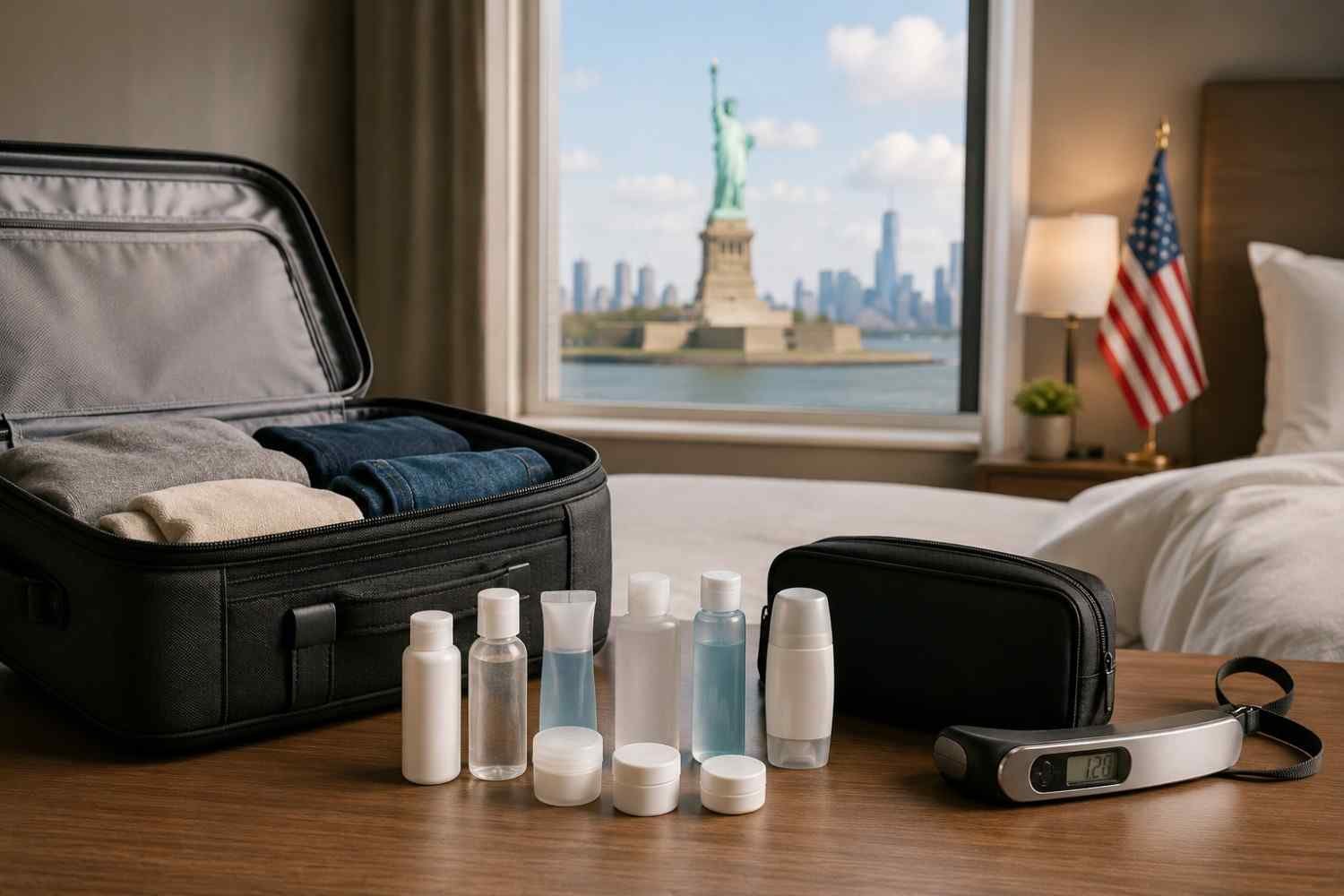
Many people underestimate how heavy liquids become during travel.
Solid Toiletries Simplify Everything
Shampoo bars, toothpaste tablets, and bar soaps reduce leaks and remove unnecessary liquid weight.
They also make airport security much easier when traveling with carry-on luggage.
Smaller Containers Work Better
Large bottles rarely get fully used during short trips. Tiny refillable pouches and compact containers are usually enough.
Most destinations also have stores nearby if something runs out unexpectedly.
Multi-Purpose Products Save Space
Travel-friendly lifestyle habits often come down to carrying fewer single-purpose items.
A moisturizer that works for both face and body, or a lip-and-cheek balm, eliminates unnecessary duplicates.
Shoes Can Ruin Lightweight Packing Fast
Shoes are often the heaviest part of the suitcase.
Stick to Two Pairs Maximum
For most trips, two pairs are enough:
- Comfortable walking shoes
- A versatile casual or dress option
Packing more than that usually creates unnecessary bulk.
Wear Your Heaviest Items During Transit
Heavy sneakers, jackets, and layered clothing should stay on your body during flights instead of being inside the suitcase.
This simple packing light tip instantly frees up space and reduces bag weight.
Digital Organization Makes Travel Easier
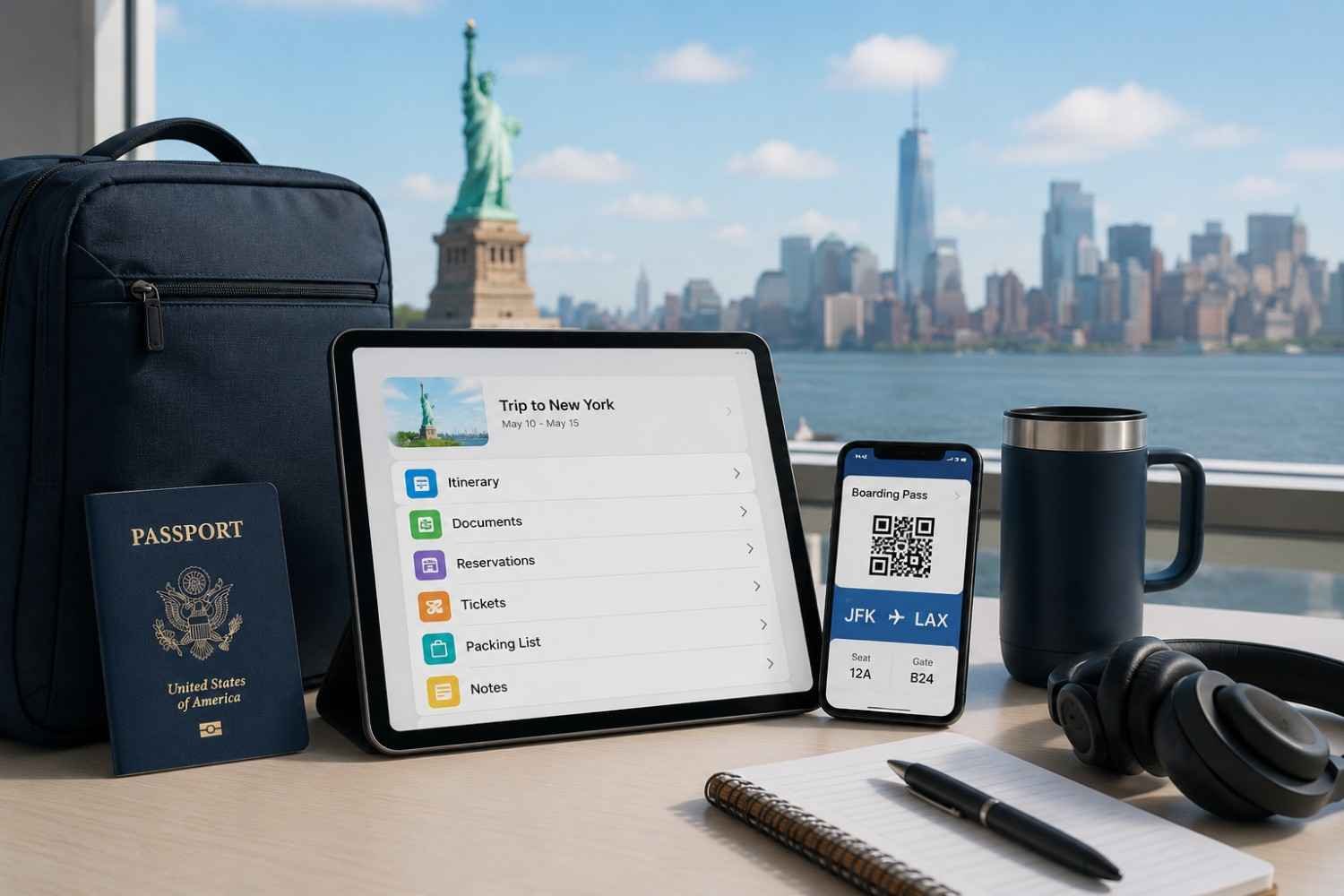
Modern travel becomes much smoother when fewer physical items are involved.
Keep Documents Digitally Stored
Digital boarding passes, hotel confirmations, and travel schedules reduce paper clutter and make airport routines faster.
A well-organized phone folder helps more than people expect.
Carry One Universal Charger
Instead of multiple charging blocks, many travelers now use one multi-port USB-C adapter.
It saves space, reduces cable clutter, and keeps bags lighter.
Leave Space in Your Bag on Purpose
One underrated habit among experienced travelers is not filling the suitcase completely.
Follow the 80% Bag Rule
Leave around 20% of your bag empty before the trip starts.
That extra space helps with:
- Souvenirs
- Laundry separation
- Easier repacking
- Less stress during checkout mornings
Overstuffed luggage almost always becomes frustrating halfway through the trip.
Lifestyle-Friendly Travel Is Really About Simplicity
The best travel hacks are usually the simplest ones. People often think better travel requires expensive gear or complicated systems, but lighter travel mostly comes from smarter habits.
Once travelers stop packing for every possible scenario, trips become noticeably easier. Airports feel less draining. Hotel unpacking becomes faster. Moving between places stops feeling like physical labor.
Small routines create the biggest improvements over time.
FAQs: Lifestyle-Friendly Travel Hacks That Help You Travel Lighter
1. Can packing cubes really save space?
Yes, especially compression packing cubes. They reduce air gaps, organize clothing better, and make small bags feel far more efficient.
2. What fabrics are best for lightweight travel?
Quick-dry and wrinkle-resistant fabrics like Merino wool, linen blends, and lightweight synthetics work best for minimalist travel.
3. Is carry-on-only travel realistic for longer trips?
For many people, yes. With laundry access and versatile clothing, carry-on travel works even for trips lasting several weeks.
4. How do I stop overpacking for trips?
Planning outfits instead of random clothing pieces helps significantly. Sticking to neutral colors and versatile items also prevents unnecessary packing.
Final Thoughts
Travel feels very different when luggage stops becoming a burden. Many people assume lighter packing means sacrificing comfort or style, but the opposite usually happens. Smart travel habits create more flexibility, less stress, and smoother movement throughout the trip. Instead of constantly managing bags and clutter, travelers get to focus on the experience itself. Over time, lighter packing becomes less of a travel trick and more of a lifestyle shift that naturally carries into everyday routines too.
The goal is not to pack perfectly. It is to travel with less friction, less weight, and far more ease.
