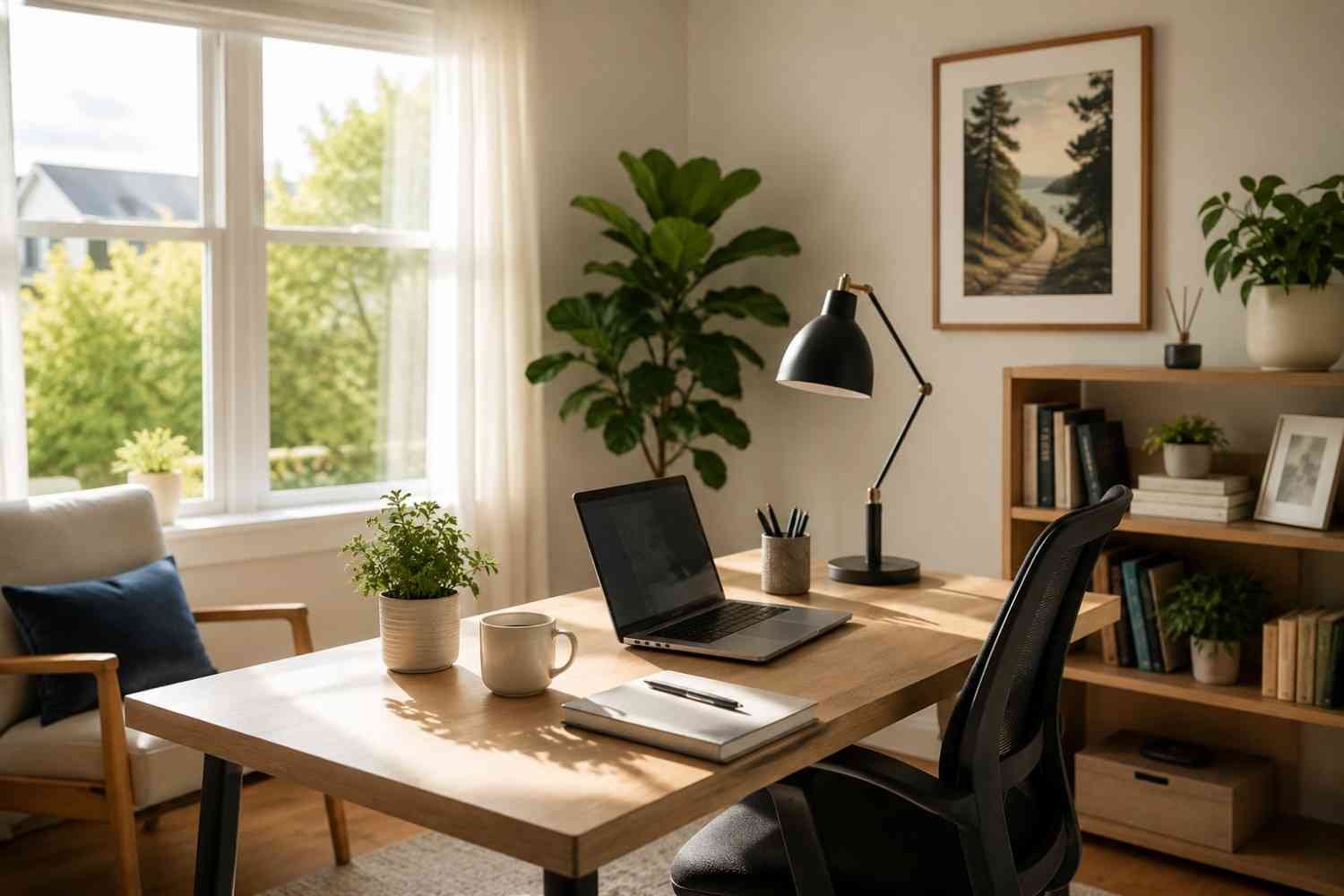
Some people assume productivity comes from strict routines, expensive office setups, or waking up at 5 a.m. every day. In reality, most productive days are shaped by small decisions that quietly remove friction from daily life. A cluttered kitchen counter, constant phone notifications, or poor lighting can slowly drain focus without you even noticing it.
A productive home environment usually feels calm, functional, and easy to move through. It does not need to look perfect. What matters more is whether your space helps you focus, recharge, and stay mentally clear throughout the day. Many people start seeing changes once they adjust their surroundings instead of forcing themselves to “work harder.” Even small habits connected to self-improvement can completely change how a home feels and functions.
Start With Small Physical Changes
Create Separate Zones For Different Activities
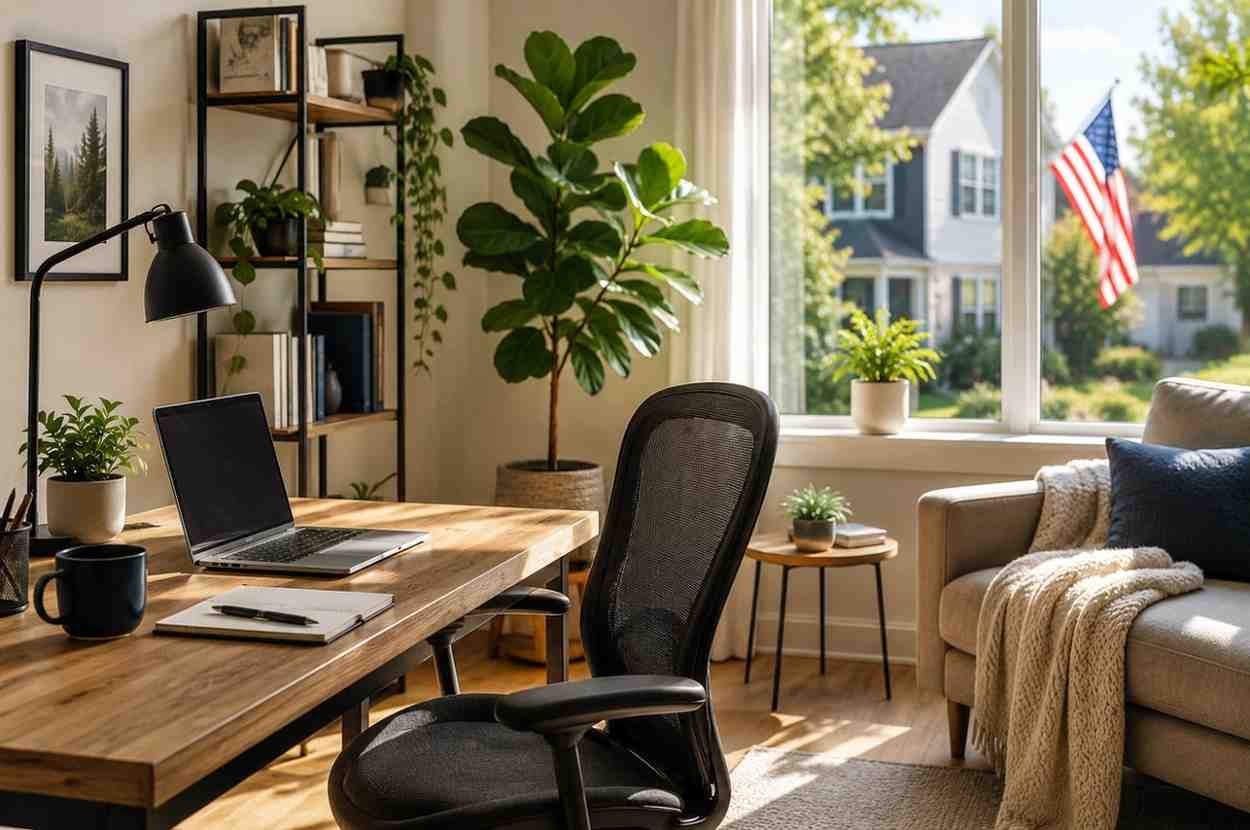
One of the easiest home productivity tips is separating work and relaxation areas, even in small homes or apartments. The brain responds strongly to physical cues. If you work from the same couch where you relax every night, it becomes harder to mentally switch modes.
You do not need a dedicated office. A single chair, one side of the dining table, or a small desk corner can become your productive workspace. The important part is consistency. Once your brain associates that spot with focus, getting started feels easier every day.
Reduce Visual Clutter
Mess creates background stress. Even when people think they are ignoring clutter, the brain continues processing it. That is why organized home office setups often feel mentally lighter.
A few practical changes can help:
- Use closed storage instead of transparent bins
- Keep only daily essentials visible
- Store cables, papers, and chargers in one place
- Clear your desk before ending the day
A clutter-free desk usually improves self improvement lifestyle tips and mental focus faster than most productivity apps.
Improve The Lighting Around You
Use More Natural Light
Lighting directly affects energy levels and concentration. Many remote workers notice afternoon fatigue more often in dark spaces with artificial lighting.
If possible, move your desk closer to a window. Natural lighting can help regulate mood, reduce screen fatigue, and improve alertness during long work sessions. Even opening curtains earlier in the morning can make a noticeable difference.
Add Softer Evening Lighting
Bright overhead lighting late at night often makes a home feel mentally exhausting. Softer lamps or warm-toned lights create a calmer transition between work and rest.
A productive home environment should support both concentration and recovery. Constant harsh lighting keeps the brain overstimulated longer than necessary.
Make Your Workspace Easier To Use
Follow The “Easy Access” Rule
People naturally choose the easiest available option. That is why distractions become dangerous when they are always within reach.
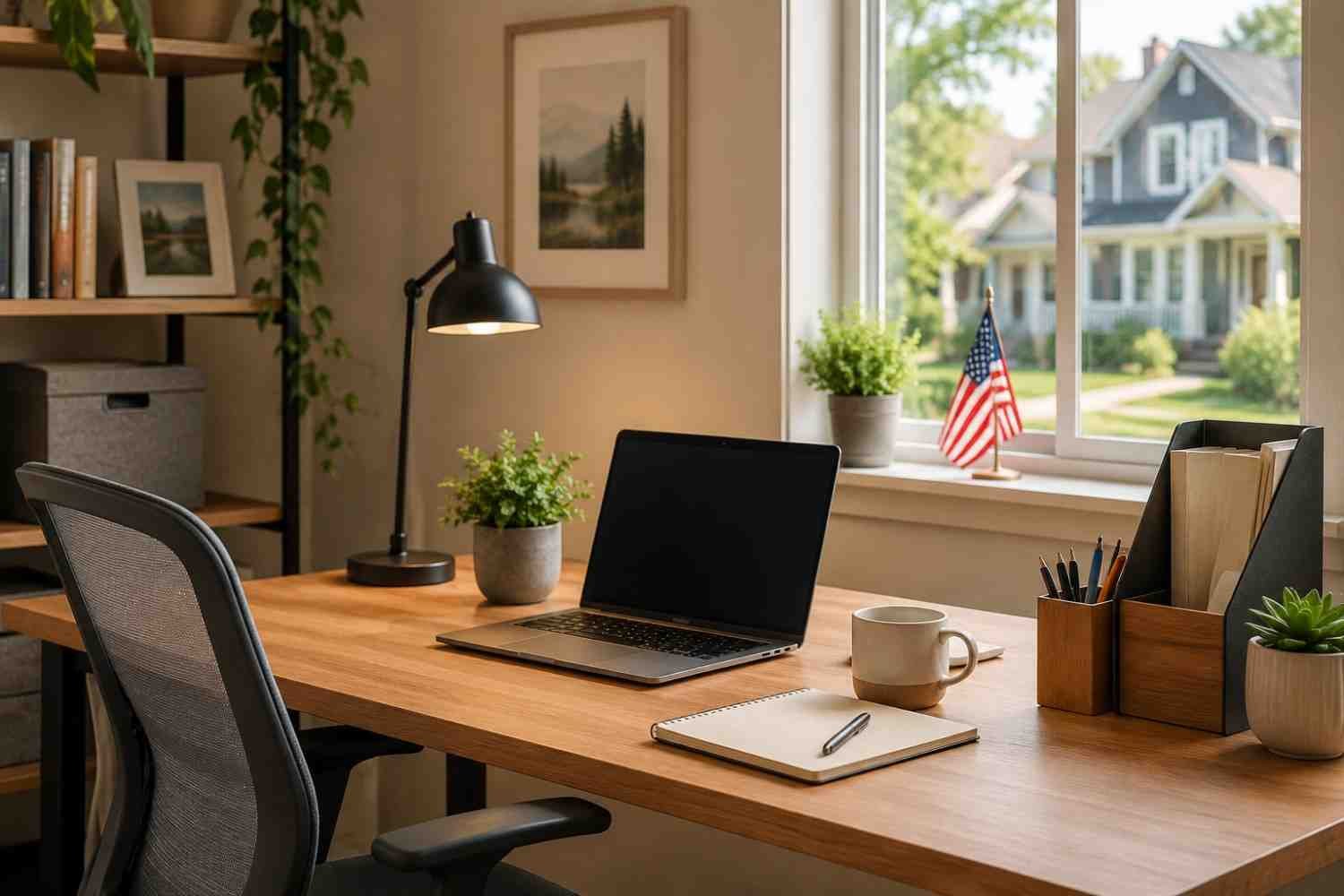
Try making productive choices more accessible than distracting ones. Keep notebooks, water bottles, planners, and headphones nearby. Move televisions, gaming devices, or unnecessary gadgets farther away from your workspace.
This simple shift reduces decision fatigue during the day.
Keep Frequently Used Items In One Place
Small interruptions quietly destroy momentum. Searching for chargers, pens, or sticky notes multiple times a day breaks concentration more than people realize.
Creating fixed locations for everyday items supports a healthier work routine because fewer tasks interrupt your attention span.
Pay Attention To Sensory Triggers
Background Noise Matters More Than You Think
Some homes naturally feel noisy and distracting. Sudden sounds pull attention away from deep work almost instantly.
Many people improve focus while working from home by using:
- White-noise apps
- Instrumental playlists
- Noise-canceling headphones
- Soft ambient background sounds
Predictable sound environments help the brain stay engaged longer.
Add Natural Elements Indoors
Indoor plants are not only decorative. Research around workspaces continues showing that visual elements connected to nature may reduce stress and improve concentration.
Low-maintenance plants like pothos, snake plants, or peace lilies work well in home office setups because they require little attention while making spaces feel calmer.
Even one small plant near a laptop or desk can soften the atmosphere of a room.
Build Better Daily Productivity Habits
Prepare For The Next Morning Early
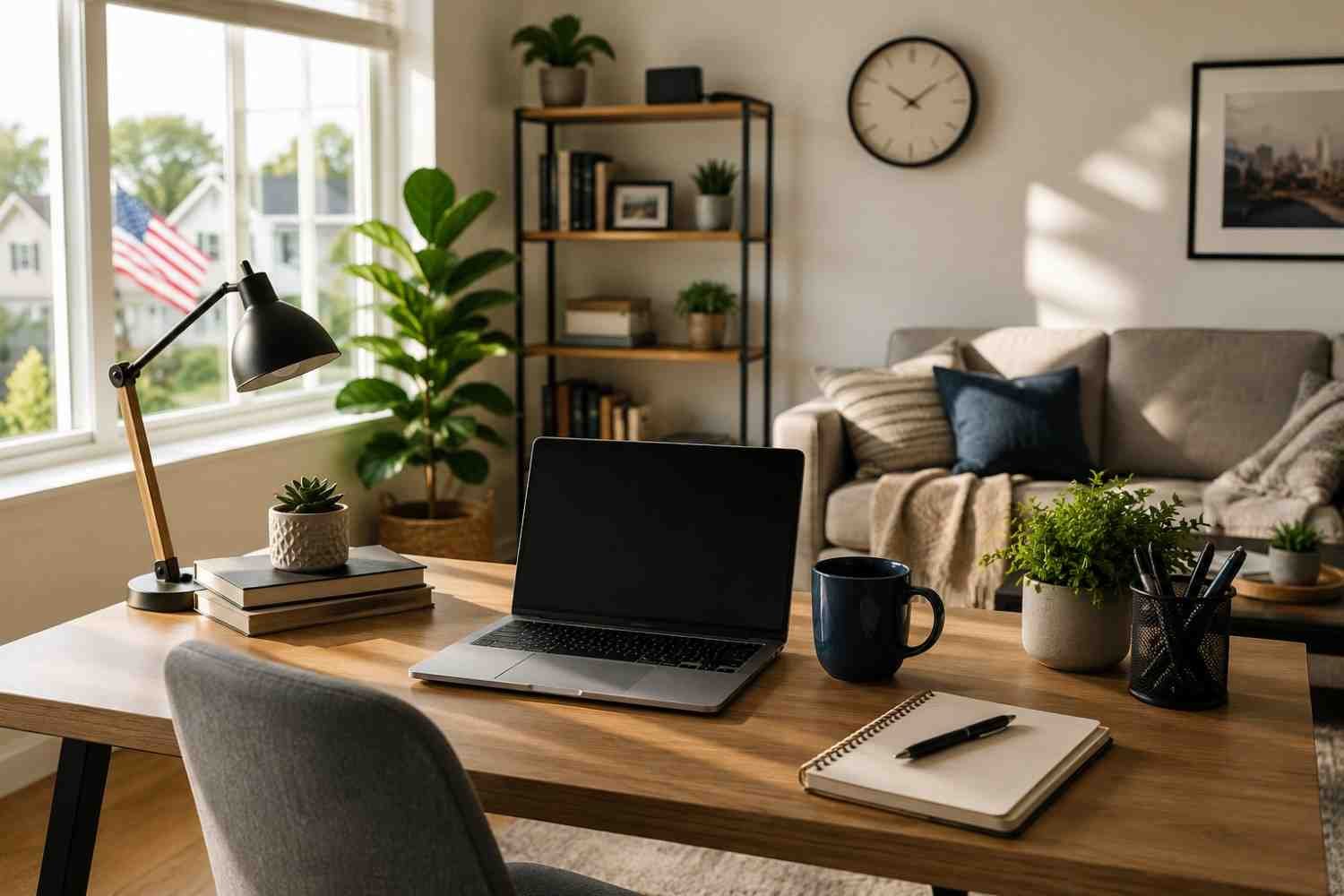
Many productive daily routine habits actually begin the night before. People waste surprising amounts of mental energy on small morning decisions.
Preparing clothes, organizing work materials, or setting up coffee the evening before creates smoother mornings with less chaos.
This approach preserves mental energy for more important work later in the day.
Use Time Blocks Instead Of Multitasking
Multitasking usually creates fragmented attention instead of real productivity. Switching between emails, chores, and meetings throughout the day increases cognitive load.
Time blocking works better because it creates structure. For example:
- Answer emails during one scheduled period
- Handle laundry or dishes during another
- Reserve uninterrupted blocks for focused work
This prevents household chores from becoming constant procrastination tools.
Clean Up Your Digital Environment
Silence Unnecessary Notifications
Digital distractions damage focus faster than physical clutter. A single social media alert can interrupt concentration for much longer than expected.
Many people now create distraction-free workspace habits by:
- Turning off push notifications
- Keeping phones out of reach
- Logging out of social media during work hours
- Using app blockers during focus sessions
A quieter digital environment usually leads to better task management and improved concentration.
Organize Your Computer Desktop
A messy desktop screen creates the same mental clutter as a messy room. Random files, screenshots, and overflowing tabs make work feel chaotic before the day even begins.
Spending five minutes organizing folders at the end of the day creates a cleaner mental reset for tomorrow.
Small digital habits often shape the overall productivity mindset more than people expect.
Protect Your Energy, Not Just Your Schedule

Stop Treating Productivity Like Constant Output
One mistake many people make is trying to optimize every minute of the day. Real productivity is not about staying busy nonstop. It is about maintaining steady mental energy without burning out.
A productive home environment should help you feel more balanced, not pressured. Sometimes that means taking breaks away from screens, eating lunch without multitasking, or stepping outside for fresh air during stressful afternoons.
Create Boundaries Between Work And Personal Life
When work and home life blend together too much, stress follows people everywhere. Small routines help create separation.
Changing clothes after work, shutting down your laptop fully, or taking a short evening walk can signal the brain that the workday is finished.
Those transitions matter more than most people realize.
FAQs: Small Changes That Can Build A More Productive Home Environment
1. How can I create a productive home environment in a small apartment?
You can create a productive home environment by using micro-zones. Even one dedicated chair or desk corner for work helps separate focus time from relaxation time.
2. What colors help improve productivity at home?
Soft neutral colors, muted greens, and natural tones often help create calmer spaces. Extremely bright or overstimulating colors may increase mental fatigue over time.
3. How do digital distractions affect productivity?
Frequent notifications and constant app switching interrupt concentration and increase cognitive load. A cleaner digital environment supports better focus and mental clarity.
4. What is the easiest productivity habit to start with?
Preparing for the next morning the night before is one of the simplest habits to build. It reduces decision fatigue and creates smoother daily routines.
Final Thoughts
A productive home environment is rarely built through dramatic changes. Most people see real improvement through smaller adjustments that remove unnecessary stress from daily life. Better lighting, less clutter, quieter surroundings, and healthier routines gradually shape how your brain responds to work, focus, and rest. The goal is not perfection. It is creating a space that supports your energy instead of draining it.
Sometimes the smallest environmental shift creates the biggest mental difference. A calmer space often leads to calmer thinking, better routines, and more sustainable productivity over time.
