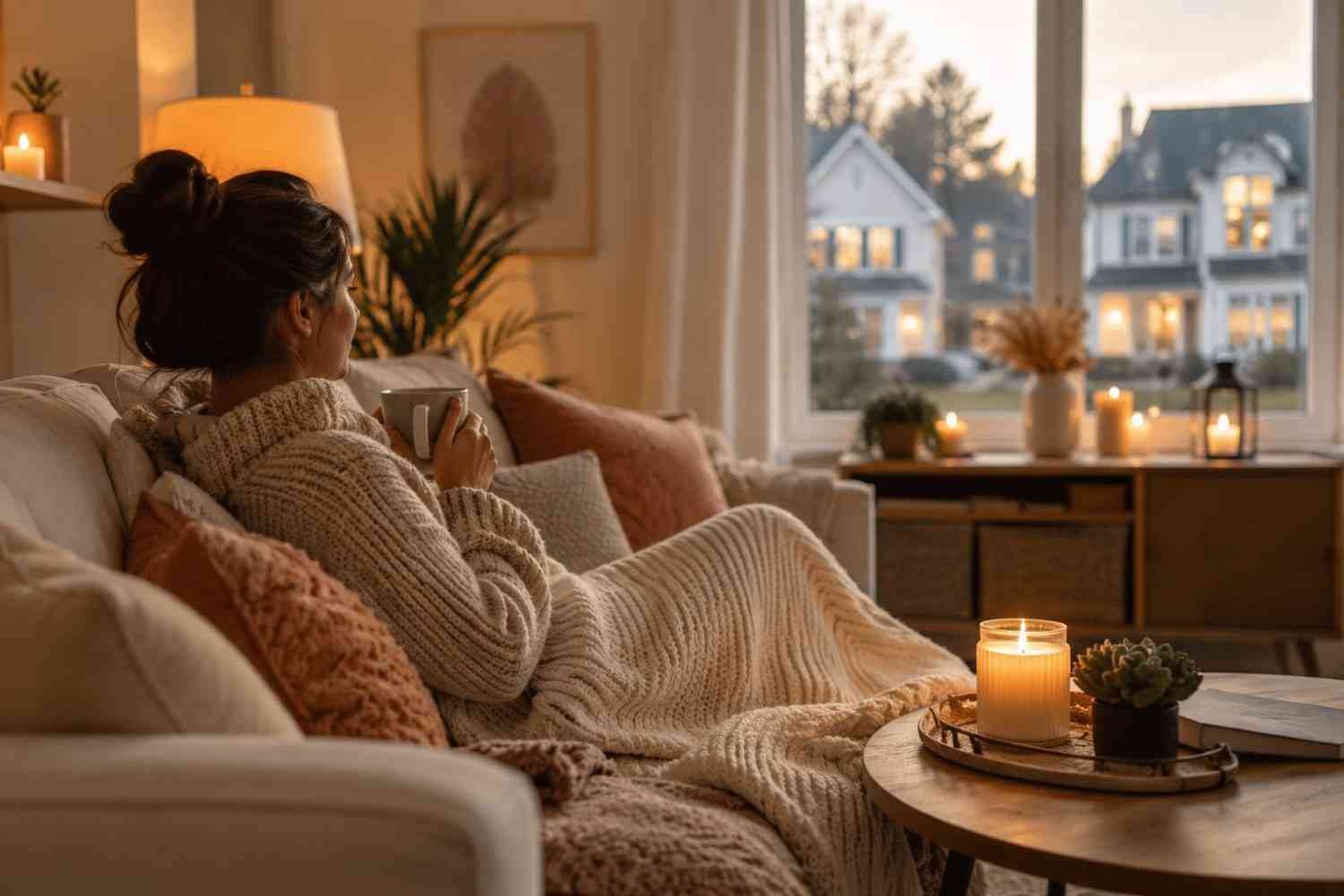
Some days, stress does not arrive dramatically. It builds slowly through constant notifications, rushed mornings, unfinished chores, and a mind that never fully quiets down. Many people try to manage it outside the home through vacations, social plans, or wellness products, but the environment you return to every day often shapes your mental state more than you realize.
That is why cozy home habits have started becoming part of how people protect their emotional balance. Small rituals, softer spaces, and intentional routines can make a home feel less overstimulating and more grounding. The best part is that most calming habits do not require expensive changes. They work because they help the nervous system feel safe, predictable, and settled again.
Why Cozy Routines Affect Mental Wellness

Mental wellness habits often fail because they feel too complicated to maintain. Strict routines, productivity pressure, and unrealistic self-care trends can create more stress instead of reducing it. Cozy habits work differently because they focus on comfort, repetition, and sensory calm.
A peaceful home atmosphere can reduce mental overload in subtle ways:
- Less visual clutter lowers distraction
- Softer lighting helps the body slow down
- Quiet routines reduce emotional overstimulation
- Predictable habits create emotional stability
Many of the modern lifestyle trends people follow today are centered around slowing down at home because people are realizing that constant stimulation is exhausting.
Morning Habits That Create a Calmer Start
Delay Your Phone for 30 Minutes
Checking emails or social media immediately after waking up can push your brain into stress mode before your day even begins. A calmer morning starts by creating distance from screens.
Even sitting quietly for a few minutes can make a noticeable difference in emotional balance. People who replace instant scrolling with slower routines often report feeling less mentally scattered during the day.
Let Natural Light Into the Room
Opening curtains as soon as you wake up sounds simple, but natural light helps regulate your internal clock and energy levels. Homes with more daylight exposure tend to feel emotionally lighter and less closed off.
If possible, spend a few minutes near a window while drinking tea or coffee instead of rushing into tasks immediately.
Try the Five-Breath Buffer
One small grounding habit that genuinely helps is pausing before movement. Sit at the edge of the bed and take five slow breaths without multitasking.
It gives your nervous system a softer transition into the day instead of an immediate rush.
Creating a Relaxing Home Environment
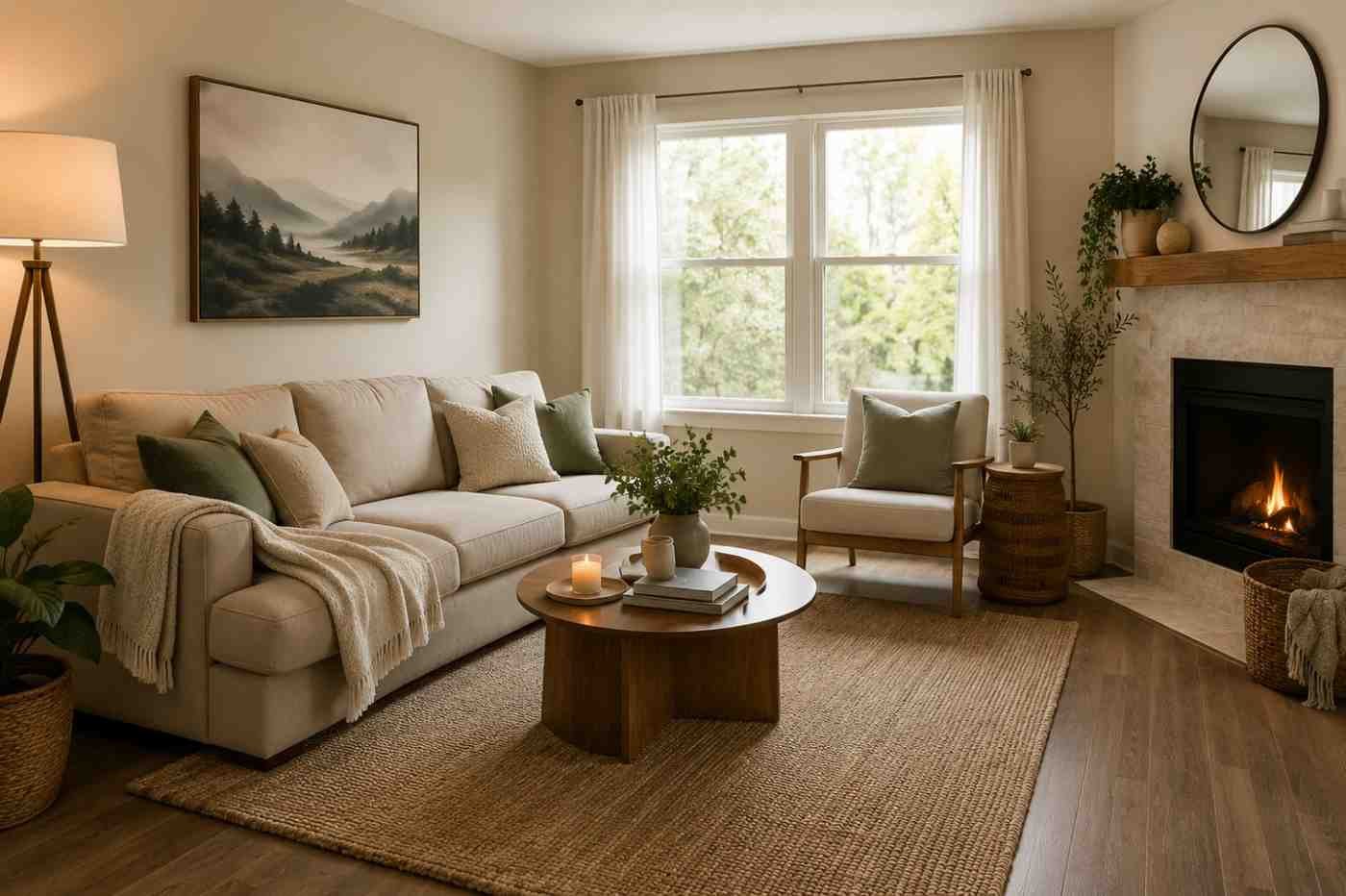
Build a Small “Quiet Corner”
Not every home has space for a wellness room, but most people can create a calming area. A chair near a lamp, a reading nook, or even a soft blanket in one corner can psychologically become a place associated with calm.
Over time, the brain begins connecting that space with relaxation instead of stress.
Use Scent as a Stress Signal
Scent plays a stronger role in stress relief than people expect. Lavender, bergamot, and ylang-ylang are commonly linked with calming effects because scent directly connects to emotional memory.
Using candles, diffusers, or herbal scents during evening routines can help the body recognize when it is time to slow down.
Keep Comfort Within Reach
Physical comfort matters during stressful periods. Soft textures, warm blankets, oversized pillows, and cozy throws help create tactile grounding. Weighted blankets are especially popular because they create gentle pressure that can feel emotionally regulating.
Calming home habits are often sensory before they are emotional.
Small Cleaning Habits That Lower Stress
Try Five-Minute Resets
Clutter can quietly increase stress levels, especially after long workdays. But deep cleaning every day is unrealistic for most people.
A better approach is to do quick resets:
- Clear one counter
- Fold one blanket
- Put dishes away
- Organize a single table
These small actions create visual calm without feeling overwhelming.
Reduce Visual Noise
Many relaxing home environment ideas focus less on decoration and more on reducing overstimulation. Too many objects, loud colors, or crowded spaces can make it difficult for the brain to fully rest.
Simple adjustments like cleaner surfaces, softer tones, and organized spaces often help a room feel mentally lighter.
Cozy Evening Habits That Help You Decompress
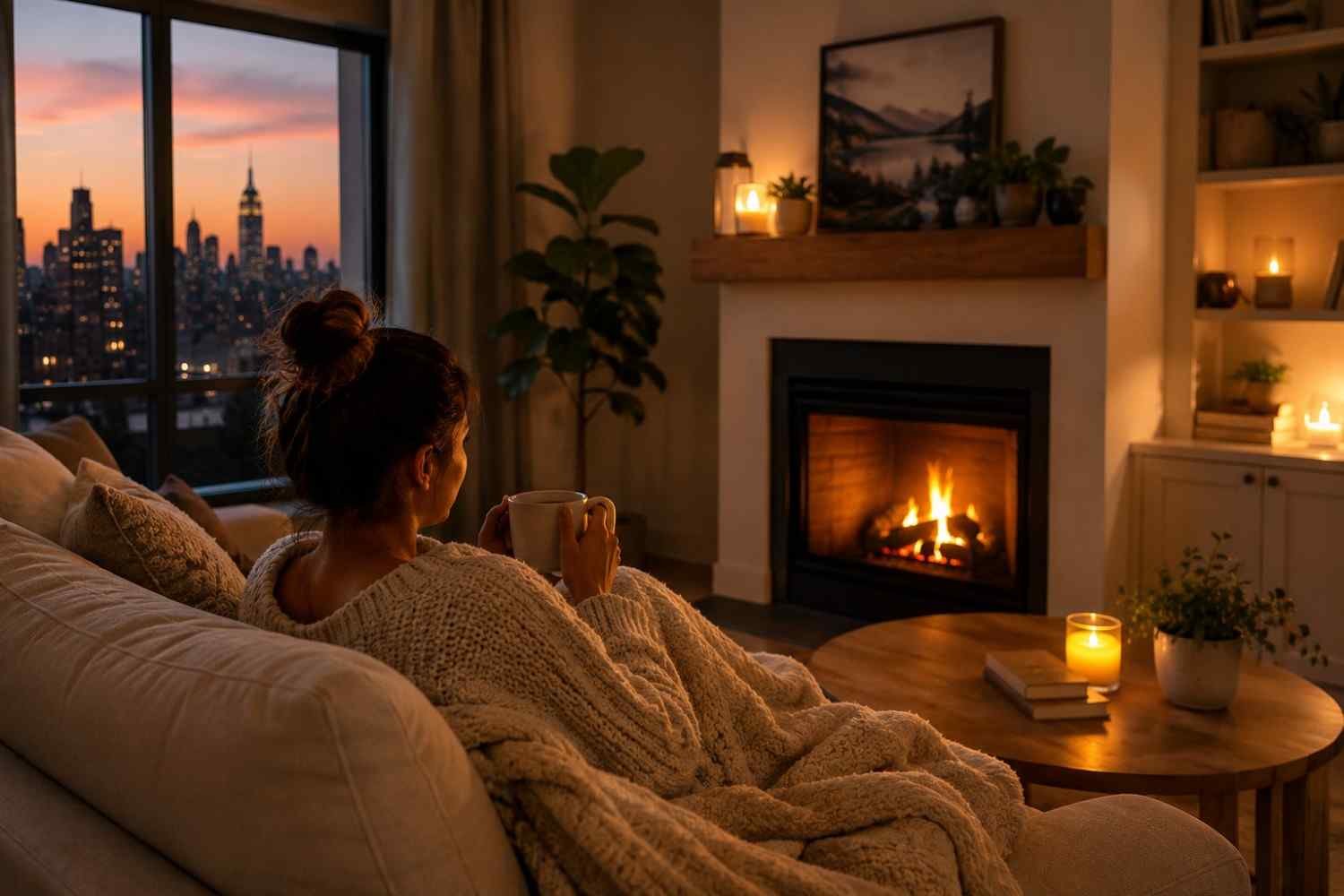
Switch to Softer Lighting
Bright overhead lights can keep the brain alert late into the evening. Warm-toned lamps, dim lighting, or faux candles create a slower atmosphere that supports better sleep habits.
Many people underestimate how strongly lighting affects mood and nervous system regulation.
Create a Digital Sundown
One of the healthiest habits for mental wellness is separating rest from constant screen exposure. Keeping phones outside the bedroom helps reduce late-night scrolling and mental overstimulation.
Even one screen-free hour before sleep can improve emotional calmness.
Use Water to Physically Reset
Warm baths, showers, or even washing your face with cool water can interrupt stress patterns physically. Water-based routines create a feeling of transition between work mode and rest mode.
This type of hydrotherapy reset has become increasingly common in cozy self-care routines because it feels immediate and accessible.
Grounding Techniques That Work at Home
Sometimes stress feels physical before it feels emotional. Grounding techniques help bring attention back into the body instead of anxious thoughts.
The 5-4-3-2-1 Method
This sensory exercise helps during moments of mental overwhelm:
- 5 things you can see
- 4 things you can touch
- 3 things you can hear
- 2 things you can smell
- 1 thing you can taste
It helps interrupt spiraling thoughts and reconnects the mind with the present moment.
Box Breathing
Box breathing is simple but effective:
- Inhale for 4 seconds
- Hold for 4 seconds
- Exhale for 4 seconds
- Hold again for 4 seconds
Repeating this pattern several times can calm the nervous system surprisingly fast.
Cold Water Reset
Running cold water over your wrists or holding ice briefly can activate the vagus nerve and reduce emotional intensity. It is often used during high-stress moments because it quickly redirects physical focus.
Why Cozy Habits Feel More Sustainable
Extreme wellness routines rarely last because they depend on motivation. Cozy living ideas feel easier to maintain because they fit naturally into daily life.
People are moving toward intentional living habits that feel softer and more realistic:
- Slower evenings
- Screen-free routines
- Comfortable spaces
- Gentle structure instead of rigid schedules
That shift matters because stress relief at home works best when habits feel comforting rather than performative.
FAQs: Cozy Home Habits for Mental Wellness That Actually Help Reduce Stress
1. Are cozy home habits actually helpful for stress?
Yes. Consistent calming routines can help reduce mental overload, regulate emotions, and create a stronger sense of safety and stability at home.
2. What is the easiest mental wellness habit to start with?
Starting small works best. Many people begin with softer lighting, less screen time before bed, or a five-minute decluttering habit.
3. Can home environments affect emotional health?
Absolutely. Clutter, harsh lighting, noise, and overstimulation can increase stress levels, while calming spaces often support emotional balance and relaxation.
4. Why are sensory habits effective for stress relief?
Sensory experiences like warmth, scent, texture, and lighting help regulate the nervous system because they create physical signals of comfort and safety.
Final Thoughts
Stress does not always disappear through major life changes. Sometimes it eases through smaller moments that quietly tell your body it can relax again. A softer lamp in the evening, a cleaner room, five minutes without your phone, or a warm drink before bed may seem insignificant individually, but together they shape how safe and settled your environment feels. Cozy home habits work because they reduce friction instead of adding pressure.
Mental wellness often grows from routines that feel sustainable. The goal is not perfection. It is creating a home that allows your mind to breathe a little easier at the end of the day.
