
Emotional imbalance rarely shows up all at once. Most of the time, it builds quietly through overstimulation, poor sleep, constant notifications, emotional exhaustion, and the pressure to keep functioning normally even when your mind feels overloaded. People often assume emotional wellness requires dramatic lifestyle changes, but in reality, emotional balance usually comes from smaller daily patterns repeated consistently.
That is why extreme routines often fail. They demand too much energy from people who are already mentally drained. Sustainable emotional wellness looks much quieter than social media tends to portray it. Small habits that regulate your nervous system, improve emotional awareness, and create moments of mental pause often make a bigger long-term difference than massive self-improvement plans that become impossible to maintain.
Why Emotional Balance Feels Harder to Maintain Today?

Modern routines create constant mental stimulation. Most people move through the day without giving their nervous system any real recovery time.
Overstimulation Keeps the Brain in Stress Mode
Phones, social media feeds, work notifications, and nonstop information create a level of cognitive overload that many people underestimate. Even during moments that look physically calm, the brain often remains emotionally activated.
That constant stimulation slowly affects:
- mood stability
- emotional resilience
- sleep quality
- focus
- stress response
Many people do not notice the buildup immediately because emotional exhaustion tends to happen gradually rather than suddenly.
Emotional Recovery Is Different From Productivity
One thing wellness content often misses is that emotional balance is not about becoming productive every hour of the day. Sometimes, emotional regulation simply means giving your mind enough space to slow down before stress compounds further.
That is why habits focused on nervous system regulation often feel more effective than highly optimized wellness routines that become emotionally exhausting to maintain.
Small Grounding Habits Can Reset Your Mood Faster Than Expected
Many emotional wellness habits work because they interrupt stress patterns before they escalate.
The 3-3-3 Grounding Rule Helps Bring Attention Back

When anxiety or emotional overwhelm starts building, the mind usually shifts toward future worries or repetitive thoughts. The 3-3-3 grounding method helps pull attention back into the present moment.
The process is simple:
- Identify 3 things you can see
- Identify 3 sounds around you
- move 3 body parts slowly
This technique helps reduce emotional spiraling by reconnecting the brain with physical surroundings instead of anxious thought loops.
Micro-Breathing Helps Prevent Emotional Build-Up
Short breathing pauses throughout the day can quietly reduce cortisol levels and emotional tension before stress becomes overwhelming.
Instead of forcing long meditation sessions, many people benefit more from brief pauses involving:
- slow belly breaths
- shoulder relaxation
- short nervous system resets
This is one reason calming habits for anxiety relief often focus on small, repeatable actions instead of dramatic emotional breakthroughs. Consistency regulates the nervous system far more effectively than intensity.
Sleep and Morning Light Affect Emotional Stability More Than People Think
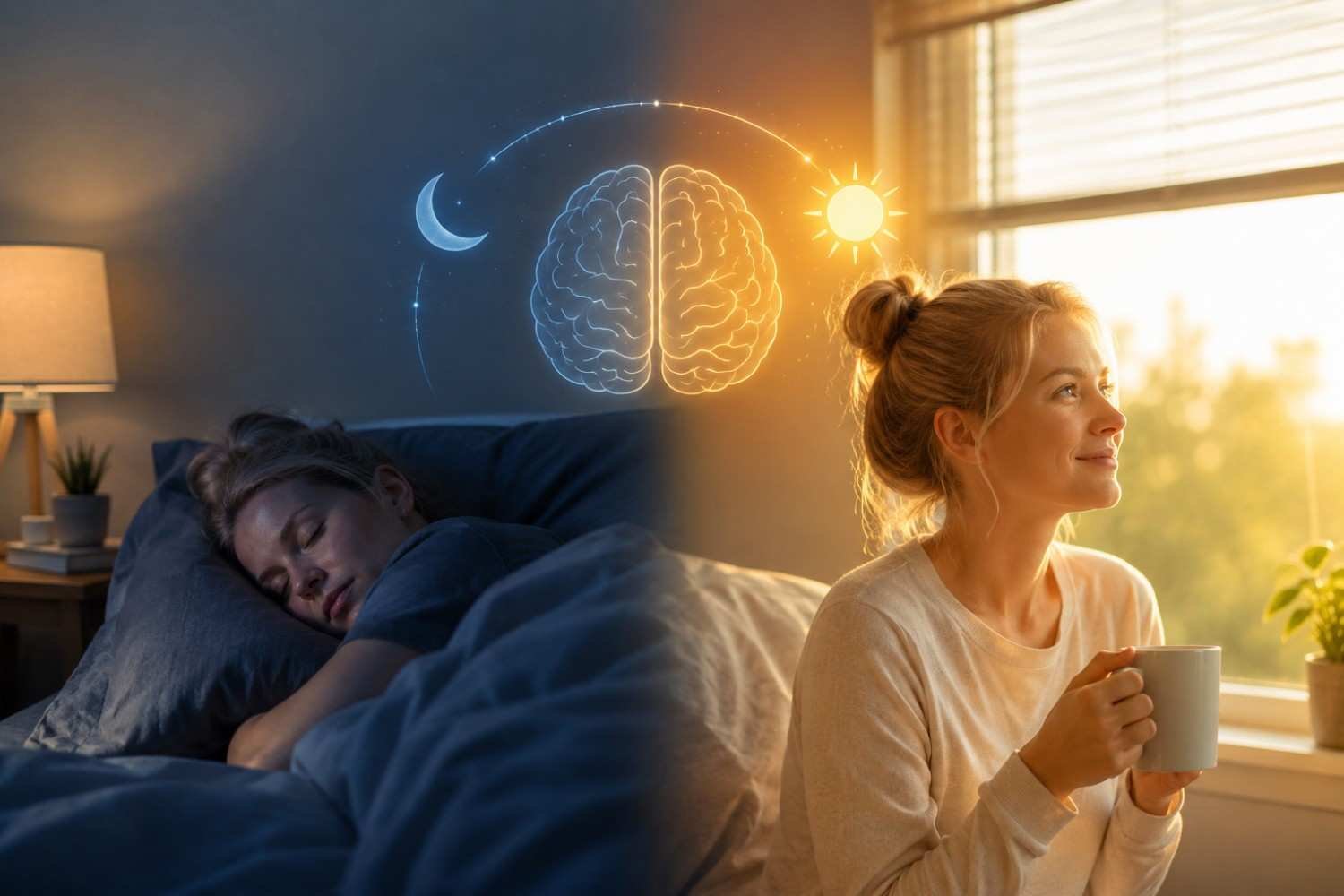
Emotional balance becomes much harder when the body lacks proper recovery.
Consistent Sleep Supports Emotional Regulation
Irregular sleep patterns can increase emotional sensitivity, irritability, mental fatigue, and stress response. Many people try improving their mood through productivity habits while ignoring the role sleep plays in emotional wellness.
A consistent wake-up and bedtime schedule often improves:
- mood stability
- concentration
- emotional resilience
- mental clarity
Even small improvements in sleep consistency can noticeably affect emotional well-being over time.
Morning Sunlight Quietly Improves Mood Regulation
Stepping outside within the first hour of waking helps regulate circadian rhythm and supports natural serotonin production.
This habit sounds small, but consistent morning light exposure can gradually improve:
- daytime energy
- sleep quality
- stress recovery
- emotional steadiness
Many emotional wellness habits work because they support the body’s natural systems instead of forcing constant mental control.
Emotional Check-Ins Help Reduce Internal Pressure
People often suppress emotions until they become overwhelming. Small emotional check-ins help prevent that buildup.
Cognitive Restructuring Changes Emotional Response Patterns
Emotional balance does not mean avoiding difficult emotions. It means learning how to respond to them without immediately spiraling into self-criticism.
A quick mental check-in can help identify:
- What emotion is present
- What triggered it
- whether the current thought pattern is realistic
Replacing harsh internal dialogue with a more objective perspective often reduces emotional intensity significantly.
For example:
- “I am failing at everything.”
can become: - “I am overwhelmed right now, but this situation is temporary.”
That small shift changes how the nervous system processes stress.
Tiny Habits Usually Last Longer Than Perfect Routines
One reason people abandon emotional wellness routines is that they attempt too much too quickly.
Trying to suddenly maintain:
- long meditation sessions
- strict wellness schedules
- perfect morning routines
usually creates additional pressure instead of relief.
Small habits tend to survive because they fit naturally into everyday life.
Habit Stacking Makes Emotional Wellness Easier to Maintain

One of the simplest ways to build emotional wellness habits is attaching them to routines that already exist.
Existing Routines Create Better Consistency
Instead of creating entirely new schedules, habit stacking pairs emotional wellness actions with existing behaviors.
For example:
- taking deep breaths while coffee brews
- stretching after brushing your teeth
- doing a quick emotional check-in before opening social media
This approach reduces resistance because the habit no longer feels like another task demanding extra energy.
Emotional Balance Usually Comes From Repetition
Most emotional wellness improvements happen quietly. The effects build slowly through repeated nervous system regulation, healthier sleep patterns, emotional awareness, and small moments of recovery added throughout the day.
People often expect immediate transformation, but emotional stability usually develops through consistency instead.
FAQs: Daily Habits for Emotional Balance That Quietly Improve Your Mood
1. What are the best daily habits for emotional balance?
Small habits like consistent sleep, grounding exercises, breathing pauses, journaling, sunlight exposure, and emotional check-ins often help improve emotional balance over time.
2. How long does it take to improve emotional balance?
Emotional balance improves gradually. Many people notice small changes within a few weeks when habits are practiced consistently instead of intensely.
3. Why do small habits work better for emotional wellness?
Small habits are easier to maintain consistently. They reduce overwhelm and help regulate the nervous system without creating additional mental pressure.
4. Can emotional balance improve without therapy?
Daily habits can improve emotional wellness and stress management, but professional support may still help people dealing with severe anxiety, trauma, or ongoing emotional distress.
Emotional Stability Usually Grows Quietly
Most people expect emotional wellness to feel dramatic when it actually feels subtle. Better emotional balance often shows up through smaller reactions, calmer mornings, improved focus, and fewer moments of emotional exhaustion during stressful days.
That quiet progress matters more than perfection. The habits that truly support emotional well-being are usually the ones simple enough to repeat consistently, even during difficult weeks when motivation feels low.
