
There is something magical about hearing the right song at the right time. It makes you stop, smile, or even get lost in the moment. Learning how to create the perfect playlist is about capturing that feeling for yourself and anyone else who hits play.
It’s not just about songs, it’s about the story they tell, the emotions they spark, and the flow that keeps listeners engaged. The right playlist can turn any ordinary day into an experience worth remembering.
Key Takeaways
- Every playlist begins with a clear purpose and mood
- Pick anchor tracks that define the vibe and expand thoughtfully
- Focus on smooth transitions and grouping songs effectively
- Creative titles and personal touches make playlists memorable
- Refine and update your playlist regularly to keep it fresh
Define the Purpose
Every great playlist starts with a clear goal. Knowing why you are curating it sets the tone for every decision you make next.
Get Hyper-Specific
Instead of labeling a playlist as generic like “Workout” or “Relax,” focus on a specific scenario such as “Night-time Boxing Motivation” or “Indie Folk Coffee Shop.” Narrowing the context helps you select songs that truly fit the mood and feel intentional rather than random. Your playlist should feel like it belongs to a moment or feeling, not just a category.
Pick an Anchor
Begin with 3 to 5 songs that perfectly capture the vibe you want to convey. These “seed” tracks become the foundation of your playlist. Everything else should revolve around these songs’ sound. Notice how the music makes you feel. Anchors provide cohesion and ensure the playlist communicates the emotion or energy you are aiming for.
Build Around Feel
After your anchors are set, add songs that share similar energy, style, or thematic elements. Don’t overthink genres; focus on emotional resonance and sonic texture. A playlist that flows naturally will feel effortless, like a story unfolding track by track.
Curate and Mix
Once the purpose and anchors are defined, the next step is arranging the songs for a seamless experience. How tracks transition is just as important as the songs themselves.
Prioritize Flow
Pay attention to tempo and energy. Avoid sudden jumps from a high-energy punk track to a soft acoustic ballad unless you want an intentional contrast. Think of each song as a chapter in a story, guiding the listener from one mood to the next without abrupt changes that could break the vibe.
Group Songs
Create clusters of 2 to 3 songs with a similar feel, then use a transitional track to bridge into the next mood. This can be a song that subtly shifts tempo, key, or energy. Proper grouping keeps the listener engaged and gives the playlist a natural rhythm that encourages repeat listening.
Quality Over Quantity
Limit your playlist to 20 to 70 tracks. Too many songs dilute the experience, while too few might leave it feeling incomplete. Cut out anything that feels like filler or disrupts the flow. Every track should earn its place in the narrative you’re building.
Polish and Title
Finishing touches can turn a good playlist into a memorable one. How you present it matters as much as the music inside.
Name It Creatively
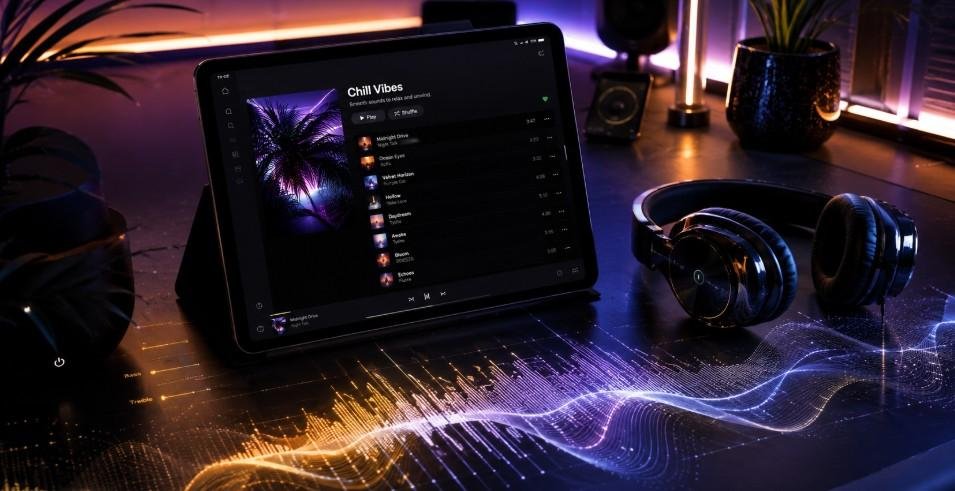
Avoid generic titles like “Chill Mix #4.” Use vivid imagery or narrative titles such as “4 AM Drive on an Empty Highway” or “Sunset Coffee Vibes.” A strong title hints at the mood, sets expectations, and makes your playlist more shareable and memorable.
Test on Shuffle
A great playlist works whether played in order or shuffled. Listen to it in both ways to ensure songs transition smoothly. Adjust tracks that feel out of place and trust your instincts. This testing step can transform a playlist from functional to exceptional.
Add Personal Touches
Consider small personal touches like artwork, descriptions, or even a brief note about why you love certain tracks. These details make the playlist feel curated and intentional rather than randomly assembled. Personalization can make listeners feel connected to your music choices.
Focus on How to Create the Perfect Playlist in Real Life
Creating a playlist is a hands-on, intuitive process. It’s about more than just compiling favorite songs; it’s about crafting an experience.
Start with a clear purpose, pick anchor tracks, and expand carefully. Test your playlist in real situations like commuting, working out, or relaxing at home. Pay attention to how songs affect your mood and energy.
Revise when something feels off. Over time, this approach develops playlists that not only sound good but feel right in the moment.
Match Tempos and Energy Levels
Consider BPM, intensity, and emotion when choosing songs. Songs with similar energy levels placed next to each other maintain listener engagement. Strategically mixing faster, songs made with AI and slower songs can also create tension and release, which makes the playlist dynamic and interesting.
Build a Narrative
Think of your playlist like a short story. Start with an engaging introduction that grabs attention, build to a peak where energy or emotion is at its highest, and wind down gently toward the end. A narrative flow makes playlists enjoyable from beginning to end and encourages repeat listens.
Keep Evolving
Playlists should grow with your taste and experiences. Swap songs, add new favorites, or remove tracks that no longer resonate. An evolving playlist remains fresh, and this continuous refinement is key to creating the perfect playlist.
Frequently Asked Questions
1. How to actually make a good playlist?
Start with a purpose, pick anchor tracks, expand carefully, and ensure smooth transitions for a cohesive listening experience.
2. What is the 3 minute rule in music?
It’s the idea that around 3 minutes is the ideal length for keeping listener attention and maximizing engagement in a playlist.
3. Where can I build a free playlist?
Free playlists can be created on Spotify, YouTube Music, Apple Music, and other streaming platforms with free accounts.
4. Can ChatGPT create a playlist?
Yes, ChatGPT can suggest songs based on mood, theme, or genre, but you’ll need a music platform to play or organize them.
Your Playlist Tells Your Story
Mastering how to create the perfect playlist is a combination of art and intuition. A mode of entertainment without screens that involves defining the purpose and selecting anchors to curating flow and adding personal touches, each step contributes to a playlist that feels alive. Test it, polish it, and watch it become a soundtrack that resonates with your life and anyone who hits play. A playlist is more than songs; it’s a story told in rhythm and emotion.
