I’ve traveled to over a dozen countries and learned the hard way that being prepared isn’t just smart — it’s essential. Whether it was navigating crowded bus terminals or protecting my digital data abroad, the lessons have stuck with me. In this guide, I’m sharing the most important Travel Safety Tips Every Tourist Should Know based on personal experience and what the top travel blogs focus on for real world safety.
This isn’t just a list of obvious reminders. These are actionable, realistic steps that most seasoned travelers follow instinctively — and that will help you avoid common pitfalls, stressful moments, and unsafe situations.
Why Travel Safety Matters
Before we dive into tips, it’s worth acknowledging that travel safety isn’t just about avoiding risks — it’s about maximizing confidence and freedom while you explore.
I’ve felt firsthand how much more enjoyable a trip can be when you know you’ve covered the basics. Good planning gives you peace of mind, and ultimately allows you to embrace the adventure.
Pre‑Trip Planning
Know Political & Health Risks
Before you go, check the latest travel advisories, local news, and health requirements for your destination. Things change fast, and what was safe a month ago might need reassessment today.
Secure Your Documents
Make an international travel checklist such as both physical and digital copies of your passport, ID, and insurance info. I store digital copies in a secure folder and email a copy to myself — just in case.
Share Your Plans
Tell someone you trust about your itinerary — flight times, hotel names, tours — so someone back home always knows your whereabouts.
Register with Local Services
In some countries, registering with the local embassy or consulate can give you an extra layer of support if anything goes wrong.
On The Ground Safety
Stay Aware in Public
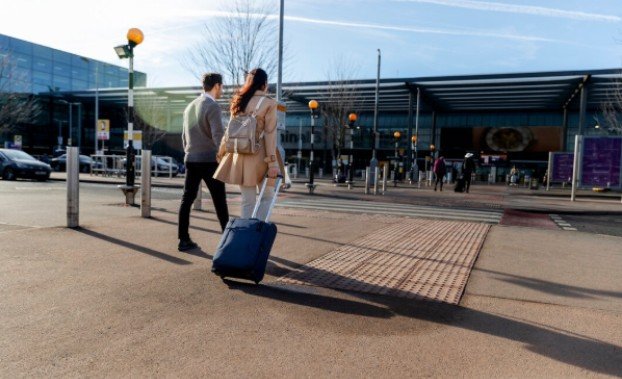
Crowds and noisy environments can be prime spots for pickpockets. Keep wallets in front pockets or in anti‑theft travel gear. In my experience, the simplest changes in where you store your valuables make a big difference.
Blend In
Avoid overly flashy clothing, expensive jewelry, or large camera gear that might attract unwanted attention. Dress in a way that aligns with local norms.
Use Trusted Transportation
Whether it’s ride‑share apps, registered taxis, or public transport cards, stick to reputable transport options. I always pre‑save the transportation apps I’ll need before landing — it saves time and confusion.
Protect Your Money & Cards
Keep a mix of payment options on hand (cards, local currency) and spread them out — don’t keep everything in one place. Notify your bank about travel plans to avoid freezes on your cards.
Hotel & Accommodation Safety
Use hotel safes for passports and extra cash. Always check that your door locks securely and consider portable door locks if you’re staying in shared or budget accommodations.
Digital & Tech Safety
Secure Your Devices
Install password protection, biometric locks, and remote wiping and secure deletion features on your phone or tablet. I also use a VPN whenever I connect to public Wi‑Fi to keep my data encrypted.
Limit Public Wi‑Fi Usage
Open public Wi‑Fi — especially unsecured networks — is a huge risk for data theft. Save data‑heavy or sensitive tasks for your private connection or offline mode.
Backup Regularly
Nothing is worse than losing photos, documents, or tickets right before a flight. I backup to cloud storage and external drives whenever I get a stable connection.
Health & Emergency Preparedness
Know Emergency Numbers
Different countries often use different emergency numbers — find them before you arrive.
First Aid & Meds
Packing a small first aid kit and any personal medications has saved me from scrambling through unfamiliar pharmacies abroad, and it also gives me peace of mind while hunting for affordable flights and hotel deals.
Hydration & Food Safety
Stay hydrated, choose reputable food spots, and listen to your body. An upset stomach can turn a day of sightseeing into a day of rest.
Smart Scams Awareness
Learn Common Local Scams
Every destination has its own set of scams targeting unsuspecting tourists. Before arrival, do a quick search for “common scams in [destination]” so you know what to watch for.
Trust Your Instincts
If a deal seems too good to be true, it usually is. I always pause and think twice when approached by overly friendly strangers offering unsolicited help.
Frequently Asked Questions
1. What are the most essential Travel Safety Tips Every Tourist Should Know for first‑time travelers?
The most essential tips include keeping valuables secure, knowing emergency numbers and local laws, protecting your digital devices with strong passwords and VPN use, and keeping friends or family updated with your travel itinerary.
2. Is it worth carrying a portable door lock for hotels and rentals?
Yes — especially if you’re staying in budget accommodations or places with shared bathrooms or entrances. These give an added level of security overnight.
3. How do I stay safe with my money while traveling abroad?
Spread out your cash and cards, notify your bank before travel, and use reputable ATMs. When possible, use contactless payments to reduce exposure.
Final Takeaways
Looking back on my travel experiences, I’ve learned that the best way to Travel Safety Tips Every Tourist Should Know isn’t just to read and forget — it’s to internalize them as habits. Safety isn’t about being scared; it’s about being prepared, smart, and confident.
When you travel with awareness and strategy, you unlock more joy, fewer worries, and memories that last long after the trip ends. Safe journeys!
