
Modern work culture has changed fast over the last decade. People are connected to work long after office hours end, notifications never fully stop, and performance pressure follows employees everywhere. In many industries, being constantly available is quietly treated as commitment. What used to be occasional stress has now become a daily operating system for millions of workers.
A lot of employees do not notice the damage immediately because high-pressure work environments normalize exhaustion. Skipping breaks, eating at a desk, replying to messages at midnight, and running on poor sleep are often seen as productive behavior. But over time, the body and mind start reacting in ways that are difficult to ignore. That is where conversations around how modern work culture affects health have become more urgent than ever.
The Nervous System Was Never Designed for Constant Pressure

Why the Body Stays in Survival Mode
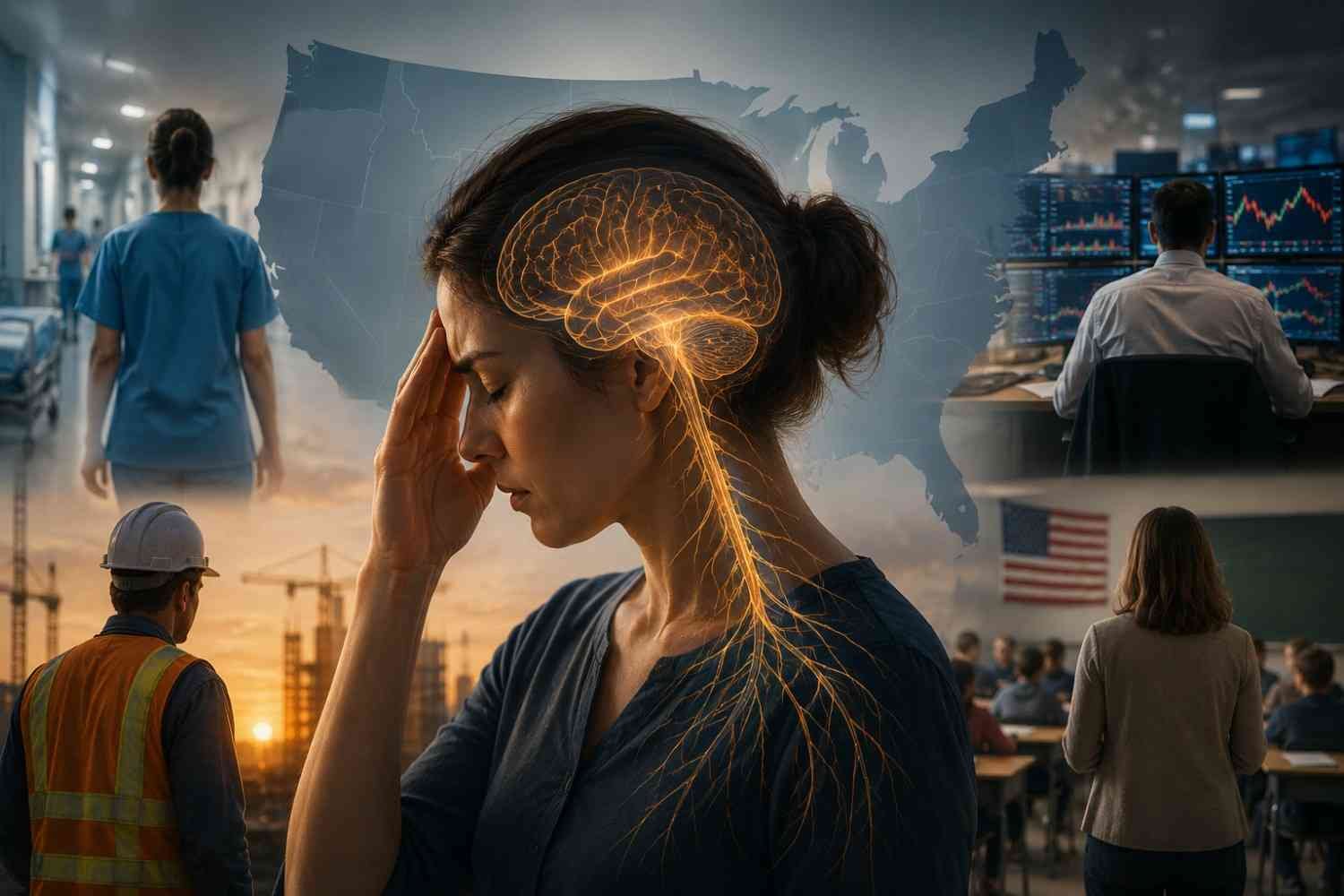
Most high-pressure jobs activate the body’s stress response repeatedly throughout the day. Tight deadlines, back-to-back meetings, constant alerts, and performance monitoring keep the nervous system in a fight-or-flight state for long periods.
The problem is not short-term stress itself. Humans can handle temporary pressure. The issue begins when stress never fully switches off.
When cortisol and adrenaline stay elevated for weeks or months, people often experience:
- Headaches and fatigue
- Sleep disruption
- Digestive problems
- Increased irritability
- Poor concentration
- Emotional exhaustion
Many workers describe feeling tired even after resting. That usually happens because the brain never enters a full recovery state.
The Mental Weight of Always Being Available
Modern workplaces are heavily driven by hyper-connectivity. Employees are expected to stay reachable through email, messaging apps, project platforms, and video calls. For many people, work no longer ends when they leave their desk.
This “always-on” culture slowly damages mental recovery. Even small interruptions force the brain to stay alert. Over time, that creates digital burnout and cognitive fatigue.
This is also where how screen time affects the brain becomes part of the bigger conversation. Continuous screen exposure, especially during high-stress workdays, affects focus, emotional regulation, sleep quality, and mental clarity. Many workers feel mentally overloaded before the day is even halfway finished.
How Modern Work Culture Affects Physical Health
Sedentary Work Habits Are Creating Long-Term Problems
A large percentage of modern jobs now involve sitting for extended hours. Remote work and hybrid schedules have made movement even less consistent for many employees.
The physical effects often develop slowly:
- Neck and shoulder pain
- Back strain
- Poor posture
- Eye fatigue
- Reduced circulation
- Weight gain
People working in high-pressure environments also tend to skip exercise because mental exhaustion drains motivation after work hours.
Combined with stress hormones, physical inactivity increases the risk of cardiovascular disease, high blood pressure, and metabolic disorders.
Sleep Quality Drops Faster Than Most People Realize
One of the biggest casualties of workplace stress is sleep.
Employees dealing with constant urgency often continue thinking about work late into the night. Late-night emails, shifting schedules, and pressure to stay productive interfere with healthy sleep cycles.
Poor sleep then creates another cycle of damage:
stress reduces sleep quality, and poor sleep increases stress sensitivity the next day.
Many professionals eventually reach a point where they feel physically awake but mentally drained all the time. That long-term fatigue affects memory, emotional stability, and decision-making.
Different Industries Experience Pressure Differently
Technology and Startup Workplaces
Fast-moving technology companies often reward nonstop productivity. Employees work through sprint cycles, tight launches, and rapid deadlines.
This environment commonly leads to:
- Severe burnout
- Sleep deprivation
- Anxiety
- Postural strain
- Mental overstimulation
The pressure to constantly perform also increases imposter syndrome among younger professionals.
Finance and Corporate Environments
Finance and corporate sectors are known for long working hours and highly competitive cultures. Employees frequently operate under intense performance expectations tied directly to bonuses, promotions, or job stability.
Over time, many workers experience:
- Hypertension
- Panic attacks
- Emotional detachment
- Chronic stress-related fatigue
Substance dependence and unhealthy coping habits are also more common in these environments.
Healthcare and Caregiving Professions
Healthcare workers face a different kind of pressure. Chronic understaffing, emotional trauma, and long shifts create deep physical and emotional exhaustion.
Many professionals in caregiving roles struggle with:
- Immune suppression
- Circadian rhythm disruption
- Emotional numbness
- Compassion fatigue
In these environments, burnout often becomes normalized rather than treated seriously.
Toxic Hustle Culture Is Quietly Reshaping Daily Life
Productivity Has Become Tied to Self-Worth
One major reason workplace anxiety keeps growing is that modern work culture often connects productivity with personal value.
People feel guilty for resting.
Taking breaks feels unproductive.
Vacation days become difficult to disconnect from.
This mindset creates presenteeism, where employees continue working while physically sick or mentally exhausted. Instead of recovering properly, people push through stress until their health worsens.
That pattern slowly transforms temporary burnout into chronic health decline.
Constant Notifications Are Hurting Focus
Modern employees rarely get uninterrupted mental space anymore. Messages, alerts, meetings, and updates constantly compete for attention.
Research on workplace productivity shows that frequent interruptions reduce deep focus and increase mental fatigue. Workers spend more energy switching between tasks than actually completing them.
This fragmented attention eventually affects:
- Creativity
- Emotional regulation
- Decision-making
- Memory retention
- Stress tolerance
The result is a workforce that feels mentally crowded almost every day.
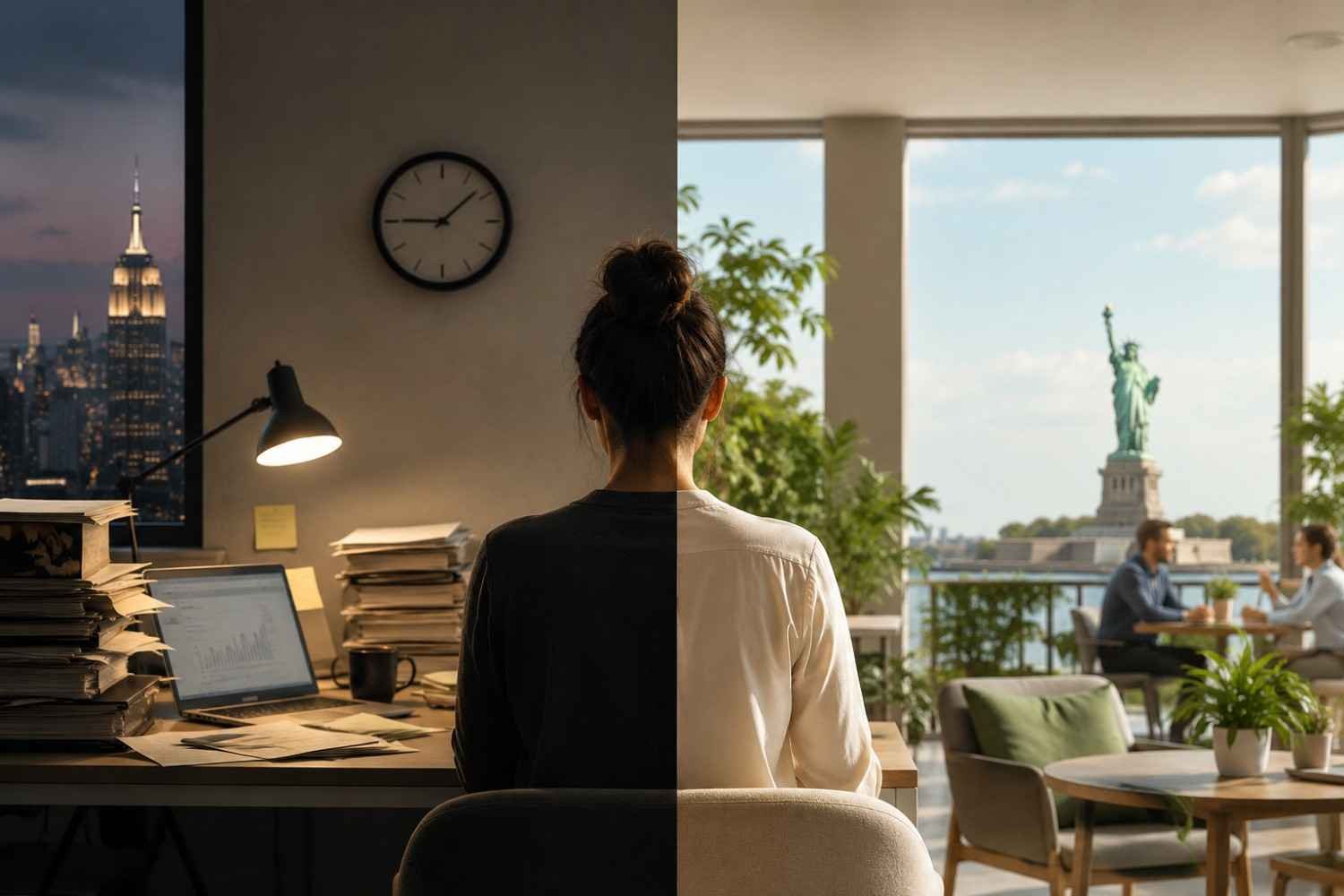
What Healthier Work Culture Actually Looks Like
Boundaries Matter More Than Wellness Trends
Many companies now promote wellness programs, meditation apps, or virtual fitness challenges. While those tools may help slightly, they cannot solve structural burnout.
Real improvement happens when workplaces address the root causes of stress.
Healthier organizations usually:
- Respect off-hours boundaries
- Reduce unnecessary meetings
- Encourage realistic workloads
- Normalize taking breaks
- Support flexible recovery time
- Create psychologically safe environments
Employees recover better when they know they can communicate stress without fear of punishment or judgment.
Workers Also Need to Rebuild Personal Habits
Many professionals have adapted unhealthy routines without realizing it. Small daily habits can help reduce the long-term effects of workplace pressure.
Simple changes include:
- Taking walking breaks during work hours
- Avoiding screens before sleep
- Stretching regularly
- Creating a hard stop after work
- Eating meals away from the desk
These habits sound small, but consistency matters more than intensity when rebuilding mental and physical resilience.
FAQs: How Modern Work Culture Affects Health in High-Pressure Work Environments
1. Why do high-pressure jobs affect mental health so much?
High-pressure jobs keep the brain in a constant stress response. Over time, that increases anxiety, emotional exhaustion, sleep disruption, and burnout. The brain struggles to recover when stress becomes part of everyday work culture.
2. Can workplace stress lead to physical illness?
Yes. Chronic work-related stress is linked to high blood pressure, heart disease, digestive problems, weakened immunity, and metabolic disorders. Long-term stress affects nearly every system in the body.
3. How does remote work contribute to burnout?
Remote work often removes boundaries between personal life and work life. Many employees work longer hours, stay connected after work, and struggle to mentally disconnect from job responsibilities.
4. What are the early signs of workplace burnout?
Common early signs include constant fatigue, irritability, poor focus, low motivation, headaches, emotional numbness, and difficulty sleeping. Many people also feel mentally exhausted even after resting.
Final Thoughts
Modern work culture has created environments where stress is no longer occasional. For many professionals, pressure has become continuous, silent, and deeply normalized. The problem is that the human body cannot operate in survival mode forever without consequences. High-pressure work environments may increase short-term productivity, but they often damage long-term mental and physical health in ways employees only recognize once burnout becomes severe.
A healthier work culture is not about eliminating ambition or hard work. It is about creating systems where people can perform well without sacrificing their nervous system, sleep, emotional stability, and overall well-being.
